
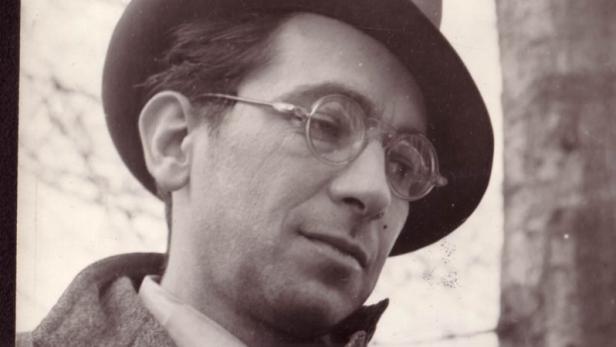
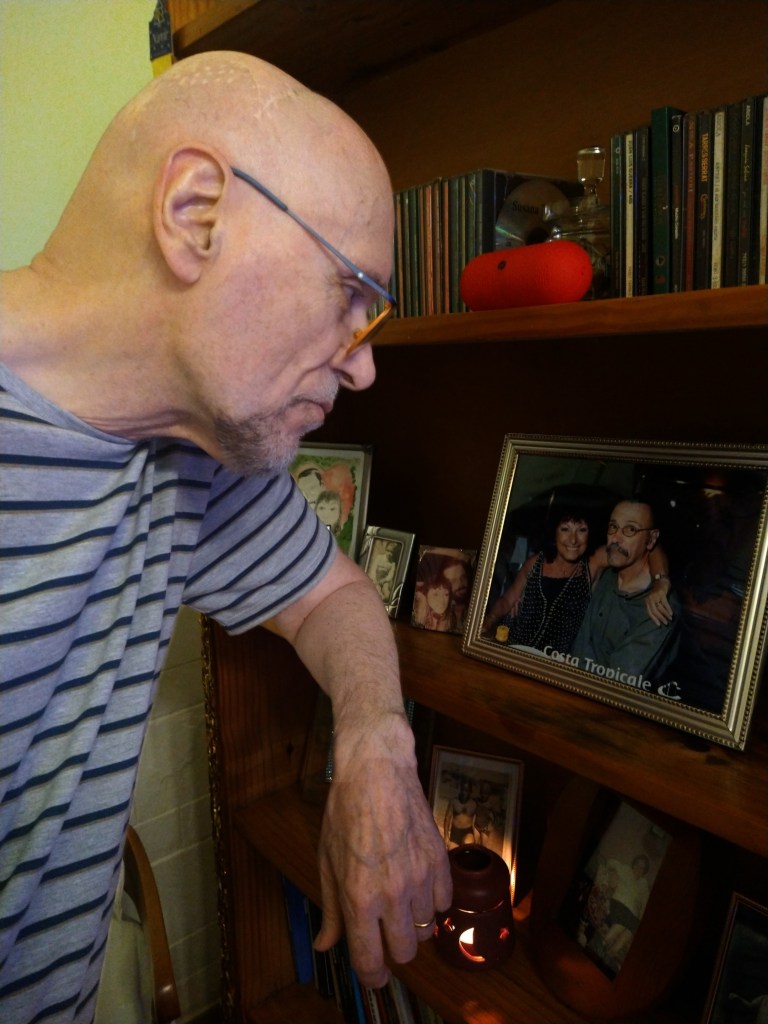
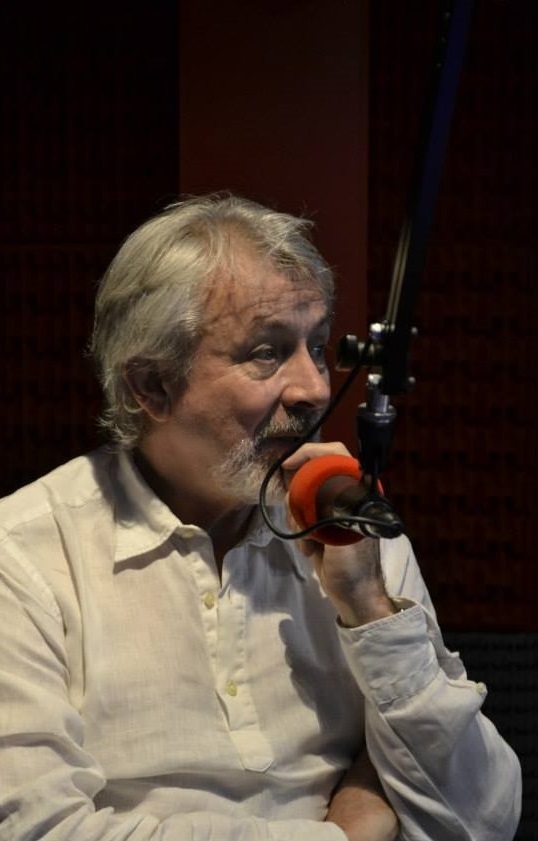
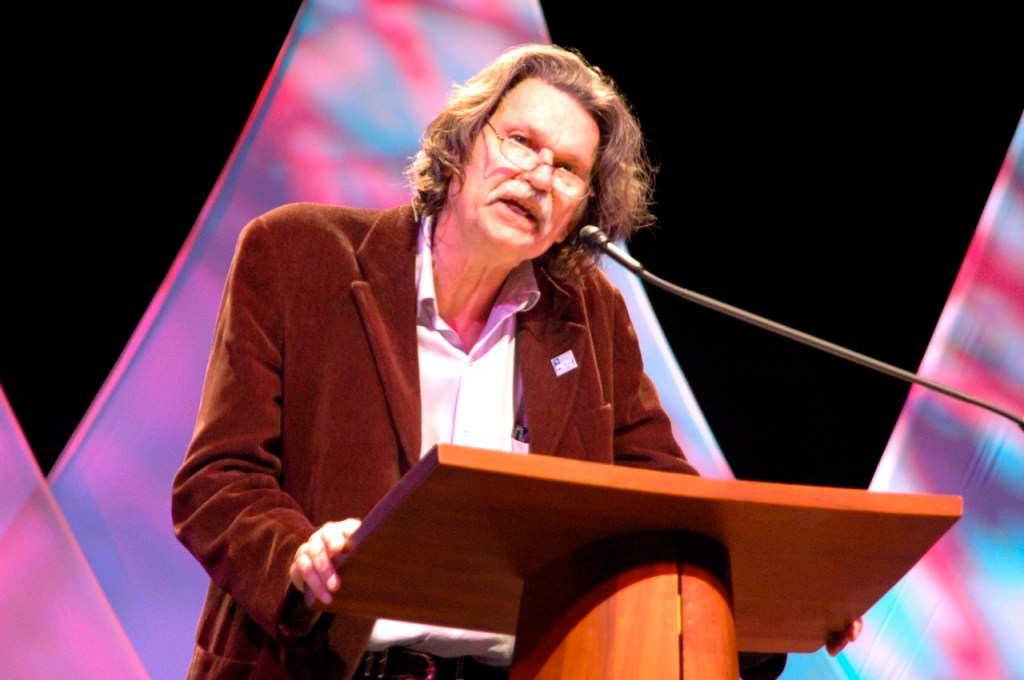
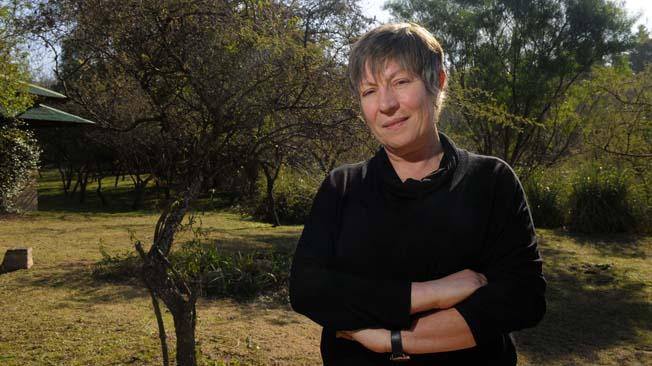
Jonio González nació en Buenos Aires en 1954 y vive en Barcelona desde 1983. En 1981 fundó, con Javier Cófreces, la revista de poesía La Danza del Ratón.

Es autor, entre otros títulos, de los poemarios El oro de la república (1982); Muro de máscaras (1987); Cecil (1991); Últimos poemas de Eunice Cohen (1999); El puente (2001, 2003); Ganar el desierto (2009); La invención de los venenos (2015), Historia del visitante (2019) y Esbozos y representaciones (2022). Ha sido incluido en diversas antologías, entre ellas Una antología de la poesía argentina (Santiago de Chile, 2008); Doscientos años de poesía argentina (Buenos Aires, 2010); Antología de poesía argentina de hoy (Barcelona, 2010); Poésie récente d’Argentine: une anthologie possible (París, 2013) y La doble sombra: poesía argentina contemporánea (Madrid, 2014). Como traductor de poesía, sus últimas publicaciones incluyen la antología en dos volúmenes Poetas norteamericanos en dos siglos (2020) y Esperando mi vida, de Linda Pastan (conjuntamente con Rosa Lentini, 2021). ha colaborado traduciendo a varios poetas en In nomine Auschwitz.Antología de la poesía del Holocausto , de Carlos Morales del Coso (2022).
Otros artículos de Jonio González
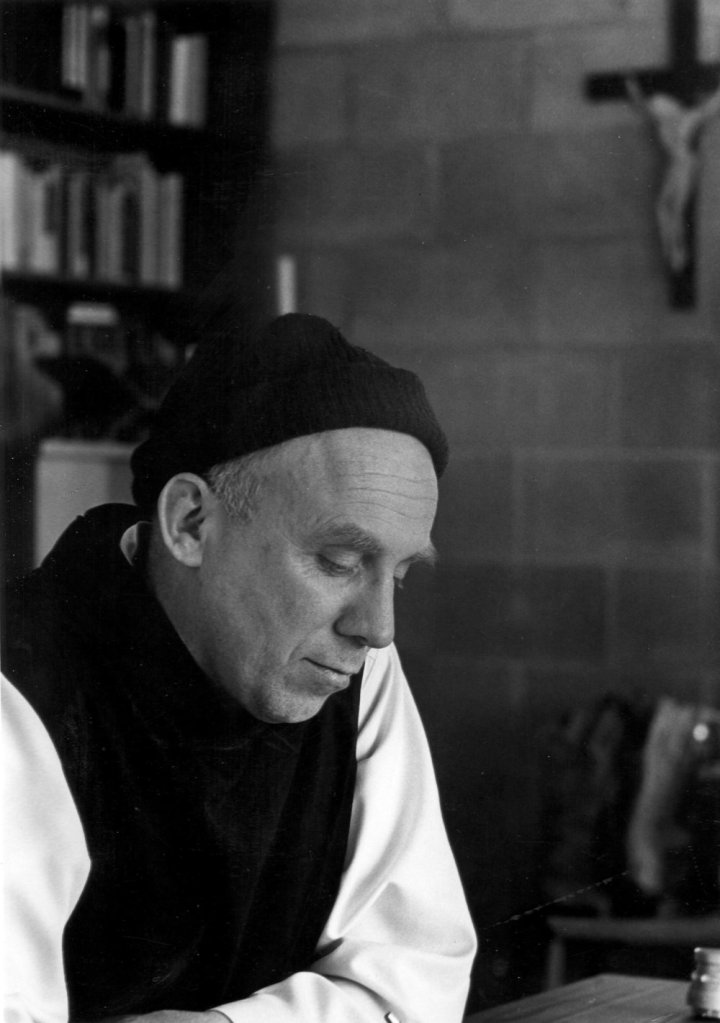


KENNETH FEARING
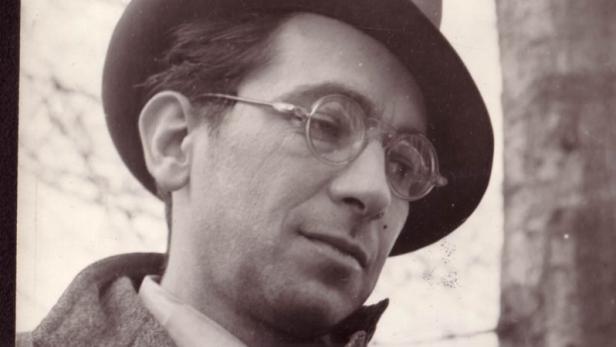
KENNETH FEARING
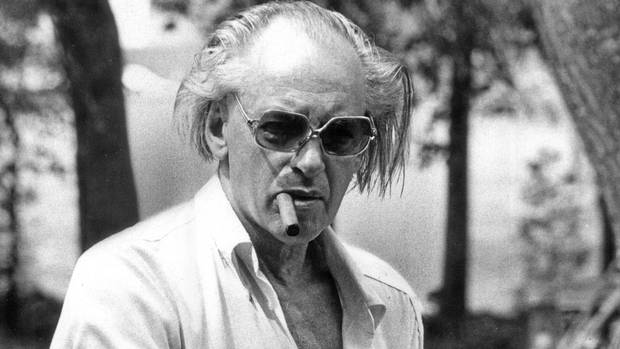
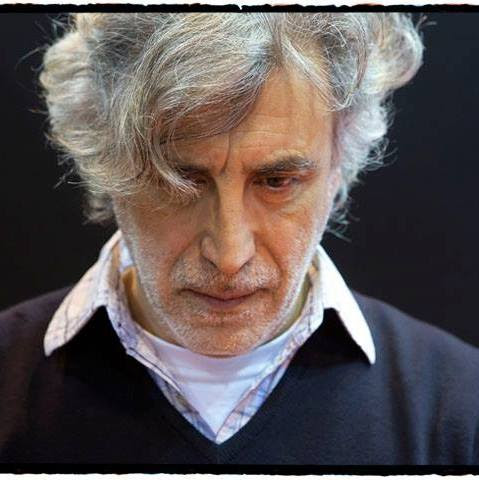
nació en Oak Park, Illinois, en 1902. Conocido sobre todo como autor de novela negra, en particular tras el extraordinario éxito de El gran reloj, fue uno de los fundadores de Partisan Review, revista en la órbita del Partido Comunista. A su primer poemario, Angel Arms, de 1929, siguieron, entre otros, Dead Reckoning: A Book of Poetry (1935), para la mayoría de críticos el mejor de todos, Afternoon of a Pawnbroker and Other Poems (1943); Stranger at Coney Island and Other Poems
(1948) y sus New and Selected Poems (1956). En opinión de Kenneth Rexroth, «ningún otro poeta de su época se identificó tan íntimamente con la clase trabajadora», valiéndose también de la retórica publicitaria y la cultura de masas, la sátira y el collage en su crítica al sistema capitalista, adelantándose en más de un aspecto a los beatniks. Murió en 1961.
BLUES DE LA RADIO

Prueba con el 5 en el dial, prueba con el 10, el 15:
¿Sabías que apenas el fantasma de una pulgada separa a Japón de Perú?
20, 25;
¿Es eso lo que quieres, ruido de estática y unas palabras y el fragmento de un vals, es exactamente eso?
¿O qué quieres a las doce en punto, después de que se han ido las visitas y el scotch está a punto de acabarse?
30, 35, de 35 a 40 y de 40 a 50;
Muestras gratuitas de cacao y el trío Mejor Cerveza y un huracán provoca un naufragio en el mar,
Pero ¿se ajusta todo eso a tu estado de ánimo?
De 60 a 70 la voz en tu casa puede ser la de un amigo,
De 70 a 80 la voz en tu casa puede tener un objetivo propio,
De 80 a 90 la voz en tu casa puede traerte amor, o guerra,
Pero ¿es eso lo que quieres?
100, 200, 300, 400;
¿Te gustaría sintonizarla dos años atrás?
500, 600,
¿O dentro de una década, con el resultado de la locura final y la matanza final?
600, 700, 800, 900;
¿Qué programa quieres a medianoche, o a mediodía, a las tres de la mañana
A las 6 A. M. o a las 6 P. M.,
Mientras el viento sigue golpeando las ventanas y sacudiendo las persianas?
¿Te gustaría captar las emisoras más allá de las estrellas?
¿Te gustaría sintonizarlas sobre la tumba de tu amor muerto?
1000, 2000, 3000, 4000;
¿Se ajusta todo eso al estado de ánimo que deseas?
5000, 6000;
¿Es exactamente eso lo que quieres?
7000, 8000;
¿Es eso lo que quieres para que se ajuste a tu actual estado de ánimo?
9000, 10000;
¿Te gustaría sintonizarla en tu propia vida, después de que se haya ido a algún lugar lejano?
RADIO BLUES


Try 5 on the dial, try 10, 15;
Just the ghost of an inch, did you know, divides Japan and Peru?
20, 25;
Is that what you want, static and a speech and the fragment of a waltz, is that  just right?
Or what do you want at twelve o'clock, with the visitors gone, and the Scotch running low?
30, 35, 35 to 40 and 40 to 50;
Free samples of cocoa, and the Better Beer Trio, and hurricane effects for a shipwreck at sea,
But is that just right to match the feeling that you have?
From 60 to 70 the voice in your home may be a friend of yours,
From 70 to 80 the voice in your home may have a purpose of its own,
From 80 to 90 the voice in your home may bring you love, or war,
But is that what you want?
100, 200, 300, 400;
Would you like to tune in on the year before last?
500, 600,
Or the decade after this, with the final results of the final madness and the final killing?
600, 700, 800, 900;
What program do you want at midnight, or at noon, at three in the morning,
At 6 A.M. or at 6 P.M.,
With the wind still rattling the windows, and shaking the blinds?
Would you care to bring in the stations past the stars?
Would you care to tune in on your dead love's grave?
1000, 2000, 3000, 4000;
Is that just right to match the feeling that you want?
5000, 6000;
Is that just right?
7000, 8000;
Is that what you want to match the feeling that you have?
9000, 10,000;
Would you like to tune in upon your very own life, gone somewhere far away?
ESTADÍSTICAS

Sesenta personas, hoy, se dispondrán a viajar a tierras más soleadas y cielos más azules.
Al atardecer, doscientas se detendrán por un instante para contemplar el vuelo de los pájaros hacia el sur.
En cinco mil habitaciones se dibujarán sombras, se graduarán las lámparas, se ubicarán las mesas, se dispondrán las 	cartas para el solitario.
Hoy, noventa y cuatro se divorciarán, mientras que treinta y tres personas conseguirán un gran, aunque inesperado, 	éxito financiero.
Veintiuna, hoy, serán elegidas para morir.
Estas son las cifras, incontrovertibles; estos los hechos.
Sesenta, doscientas, cinco mil, noventa y cuatro, treinta y tres, veintiuna.
Actuario de actuarios, cuando estos números ordenados sean cumplimentados a la hora establecida, ¿qué se hará para 	verificarlos y redimirlos, para explicarlos y preservarlos?
¿De qué modo serán contabilizados, además de como carne y sangre de personas,
¿Como frías sumas o sustracciones? Y ¿con qué vehemente máquina de	calcular?
Porque la necesidad de que la respuesta sea correcta es enorme.
STATISTICS


Sixty souls, this day, will arrange for travel to brighter lands and bluer skies.
At sunset, two thousand will stop for a moment to watchbirds flying south.
In five thousand rooms the shades will be drawn, with the lamps adjusted, the tables prepared, and the cards arranged 	for solitaire.
This day, ninety-four will divorce, while thirty-three persons meet great, though unexpected, financial success.
Twenty-one, on this day, will elect to die.
These are the figures, incontrovertibly; such are the facts.
Sixty, two thousand, five thousand, ninety-four, thirty three, twenty-one.
Actuary of actuaries, when these ordained numbers shall have been fulfilled at the scheduled hour,
What shall be done to prove and redeem them, to explainand preserve them?
How shall these accounts be balanced, otherwise than in personal flesh and blood?
By cold addition or subtraction? And on what fiery comptometer?
Because the need for an answer that is correct is very great.
X MENOS X

Aun cuando tu amiga, la radio, haya callado; aun cuando su sueño, el programa, haya terminado; aun cuando su vida, la teletipo, esté en silencio; aun cuando su destino, el bulevar, esté desierto;
Y cierre ese paraíso, la sala de baile, y esté a oscuras ese teatro, la clínica,
Permanecerá tu deseo, y el de ella, y las esperanzas de él y de ellos,
Tu risa, su risa,
Tu blasfemia, la blasfemia de él, la recompensa de ella, la de ellos, la consternación de estos, de él, de ella y tuya...
Aun cuando tu enemigo, el recaudador, haya muerto; aun cuando tu consejero, 	el vendedor, esté durmiendo; aun 	cuando tu novia, la reina de la pantalla, haya hablado; aun cuando tu amigo, el magnate, se haya ido.
X MINUS X

Even when your friend, the radio, is still; even when her dream, the magazine, is finished; even when his life, the 	ticker, is silent; even when their destiny, the boulevard, is bare;
And after that paradise, the dance-hall, is closed; after that theater, the clinic, is dark,
Still there will be your desire, and hers, and his hopes and theirs,
Your laughter, their laughter,
Your curse and his curse, her reward and their reward, their dismay and his dismay and her dismay and yours—
Even when your enemy, the collector, is dead; even when your counsellor, the salesman, is sleeping; even when your  sweetheart, the movie queen, has spoken; even when your friend, the magnate, is gone.
SI EL DINERO

¿Por qué miras hacia arriba, por un instante, antes de detenerte y entrar,
Por qué dejas el libro en mitad del capítulo para ponerte de pie y caminar hasta la ventana y contemplar la calle
Qué escuchas, brevemente, entre las voces de la tarde, que otros no oyen,
Dónde están tus pensamientos, cuando el tren hace sonar el silbato o suena el teléfono, que vuelves la cabeza,
Por qué miras tan a menudo el calendario, el reloj?
¿Qué espera el arco iris, especialmente, para ti,
Quién llamará a tu número, esos coros de ángeles flotarán a través del cable,
Qué numero de magia esperas hacer,
Qué gesto final confías en ganar que el cielo dejará caer racimos de estrellas sobre tu pelo y los hará llover sobre tus pies,
Qué más te da de quién sea la voz, el rostro, qué hora, día, mes, año?
IF MONEY

Why do you glance above you, for a moment, before you stop and go inside,
Why do you lay aside the book in the middle of the chapter to rise and walk to the window and stare into the street,
What do you listen for, briefly, among the afternoon voices, that the others do not,
Where are your thoughts, when the train whistles or the telephone rings, that 	you turn your head,
Why do you look, so often, at the calendar, the clock?
What rainbow waits, especially, for you,
Who will call your number, that angel chorales will float across the wire,
What magic score do you hope to make,
What final sweeps do you expect to win that the sky will drop clusters of stars in your hair and rain them at your feet,
What do you care whose voice, whose face, what hour, what day, what month, what year?
















































 La Náusea
Deja un comentario