
Jonio González nació en Buenos Aires en 1954 y vive en Barcelona desde 1983. En 1981 fundó, con Javier Cófreces, la revista de poesía La Danza del Ratón.
Es autor, entre otros títulos, de los poemarios El oro de la república (1982); Muro de máscaras (1987); Cecil (1991); Últimos poemas de Eunice Cohen (1999); El puente (2001, 2003); Ganar el desierto (2009); La invención de los venenos (2015), Historia del visitante (2019) y Esbozos y representaciones (2022). Ha sido incluido en diversas antologías, entre ellas Una antología de la poesía argentina (Santiago de Chile, 2008); Doscientos años de poesía argentina (Buenos Aires, 2010); Antología de poesía argentina de hoy (Barcelona, 2010); Poésie récente d’Argentine: une anthologie possible (París, 2013) y La doble sombra: poesía argentina contemporánea (Madrid, 2014). Como traductor de poesía, sus últimas publicaciones incluyen la antología en dos volúmenes Poetas norteamericanos en dos siglos (2020) y Esperando mi vida, de Linda Pastan (conjuntamente con Rosa Lentini, 2021). ha colaborado traduciendo a varios poetas en In nomine Auschwitz.Antología de la poesía del Holocausto , de Carlos Morales del Coso (2022).
Otros artículos de Jonio González

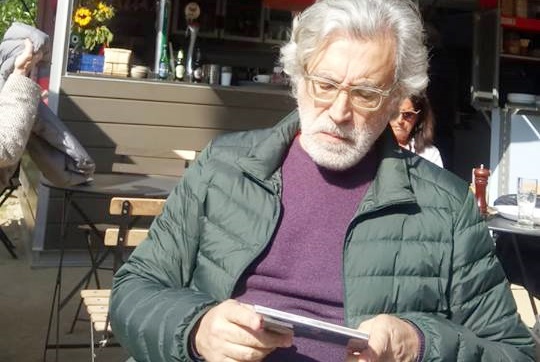
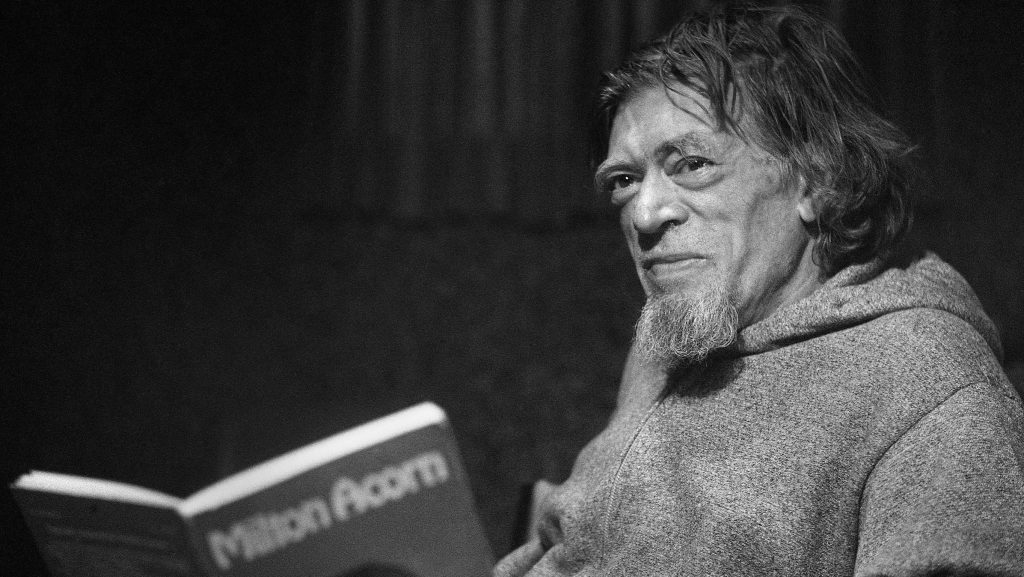
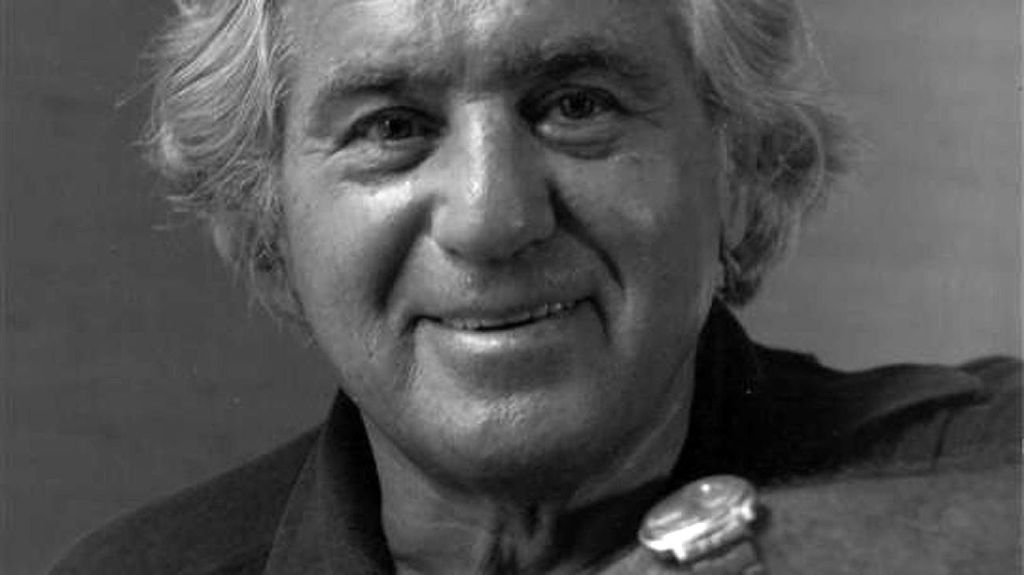
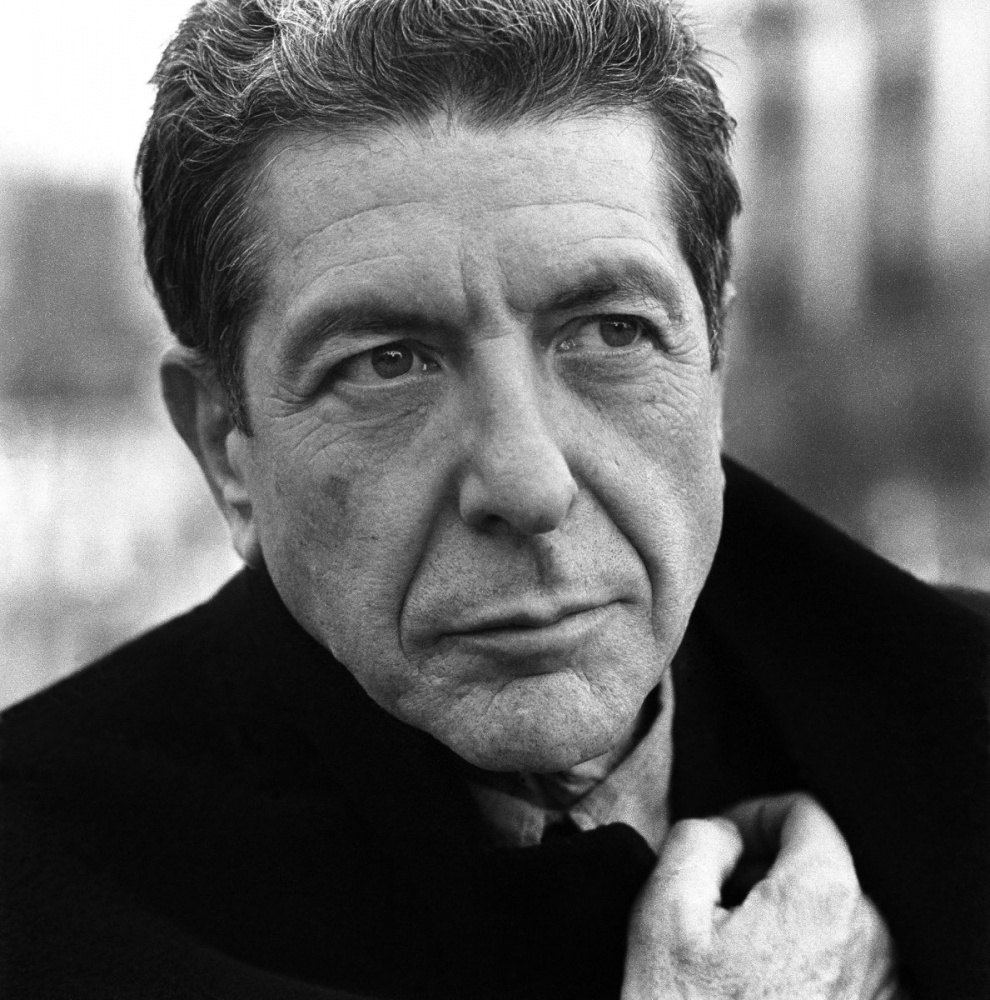
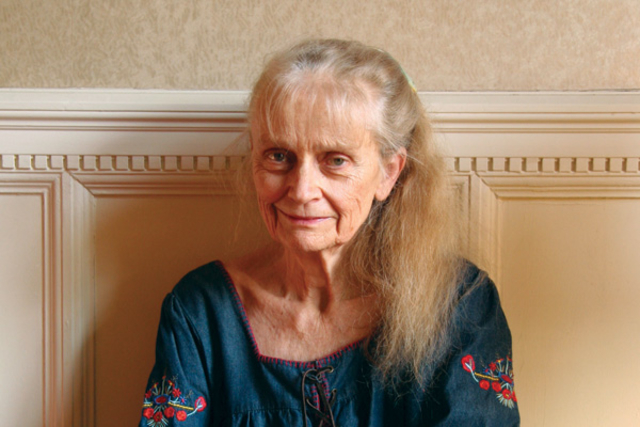
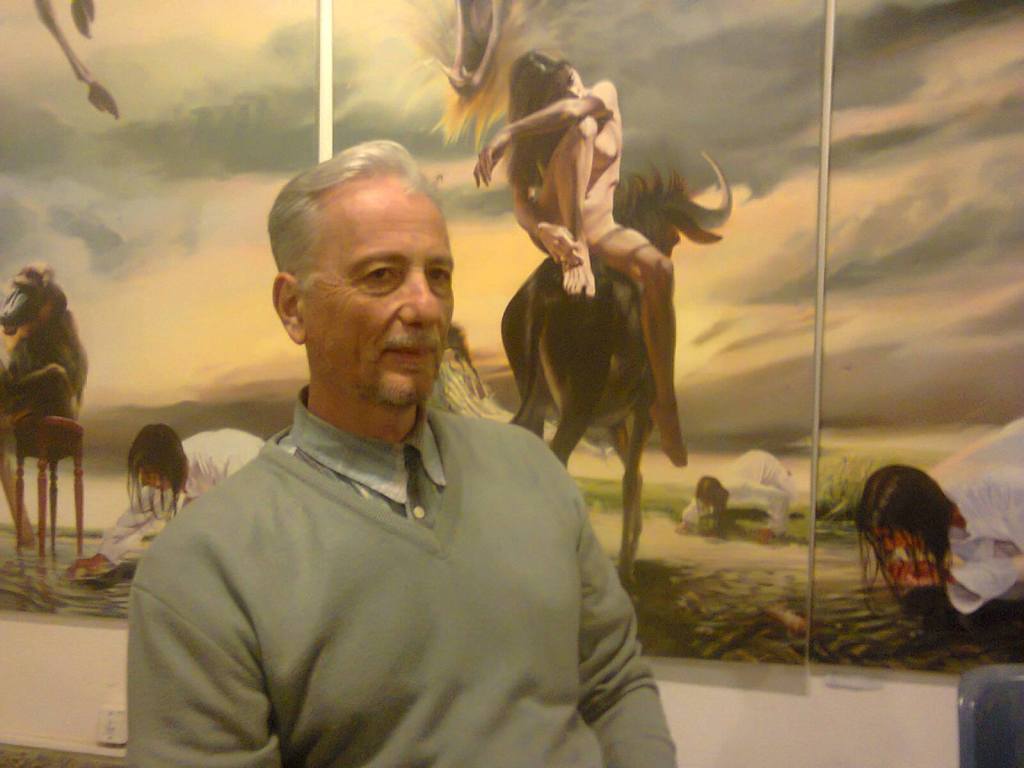
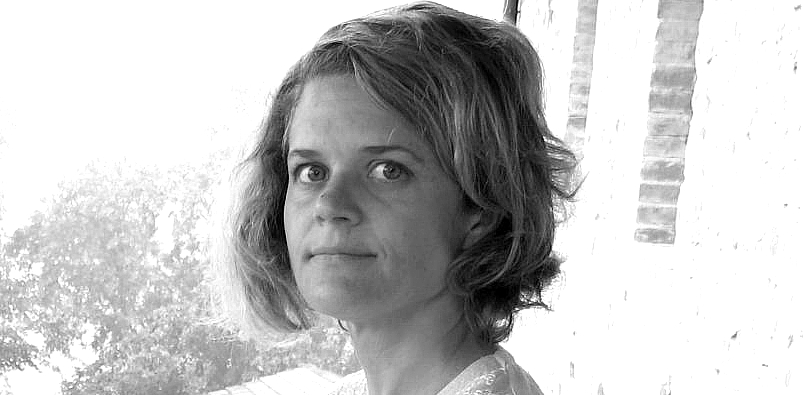
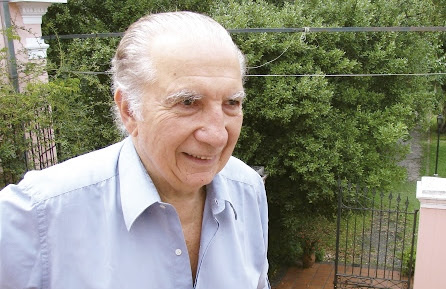
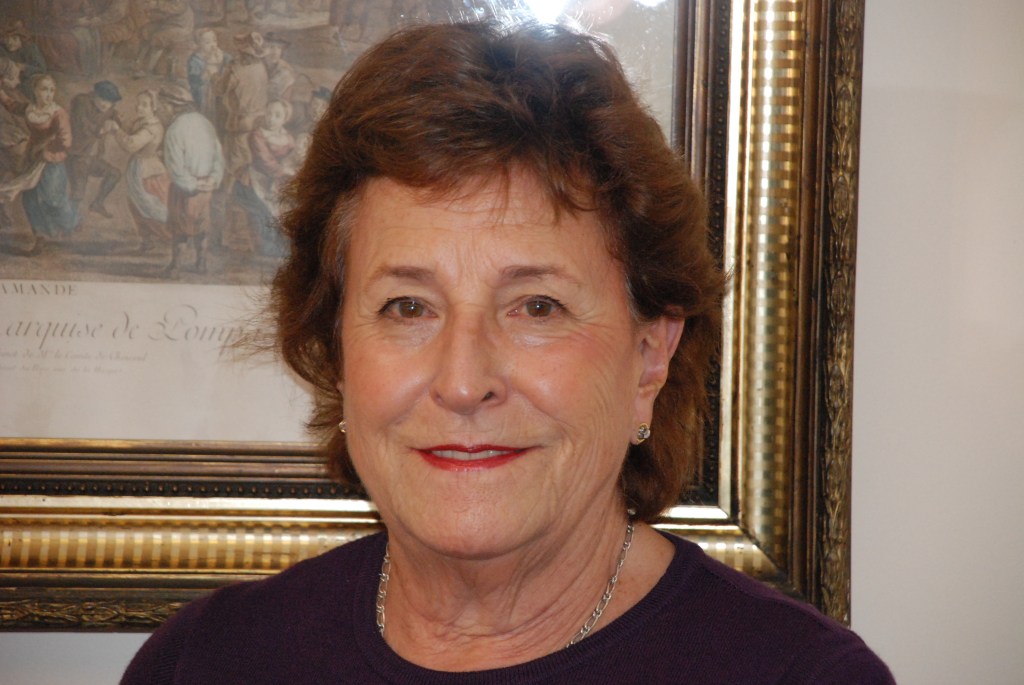
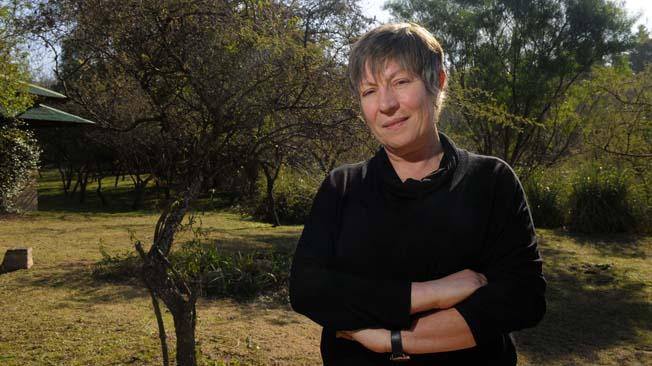
Gregory Orr

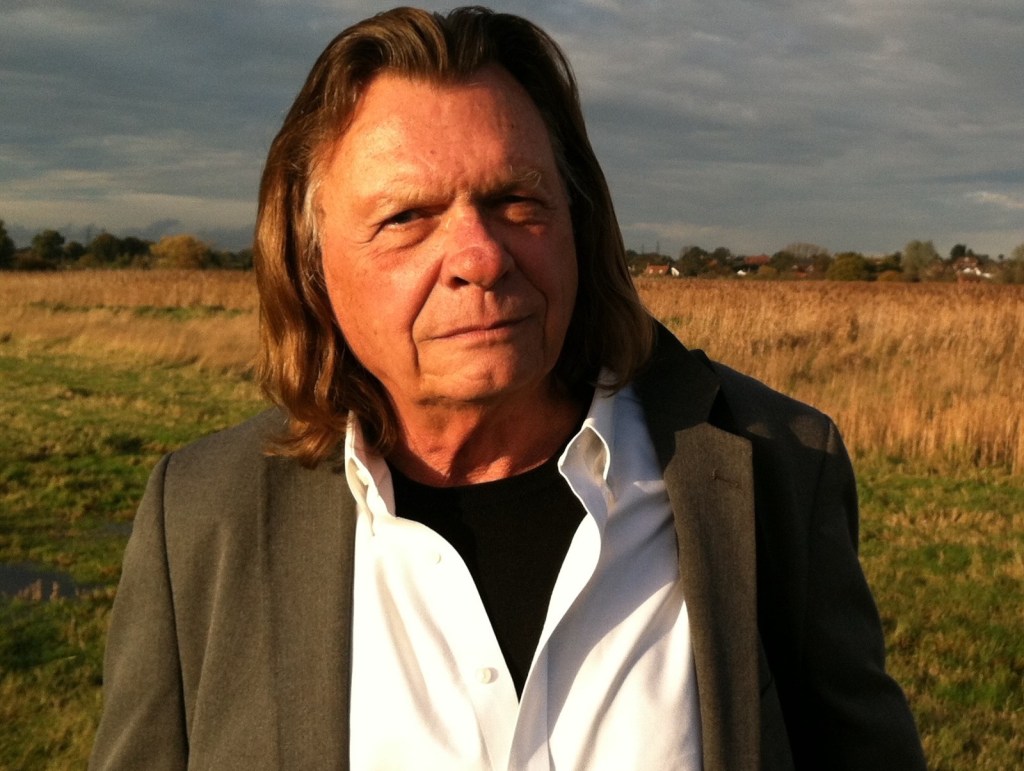
Gregory Orr nació en Albany, Nueva York, en 1947, y se crió en
el valle del Hudson. A los doce años fue «responsable» (así lo
define el propio Orr) de la muerte de su hermano menor como
consecuencia de un accidente de caza. Ello condicionaría, también
según él mismo, sus ideas «acerca del trauma, el silencio y la
poesía». Durante su juventud fue activista en favor de los derechos
civiles como miembro Student Nonviolent Coordinating
Committee (SNCC), lo que le valió para ser encarcelado. El propio Orr
manifestaría: «La poesía es una forma de sobrevivir al caos
emocional y la confusión espiritual.» Fue profesor de la
Universidad de Virginia. Su obra poética incluye Burning the
Empty Nests (1973); Gathering the Bones Together (1975); The
Red House (1980); We Must Make a Kingdom of It (1986), City of
Salt (1995, finalista del LA Times Book Award for Poetry); The
Caged Owl: New and Selected Poems (2002); How Beautiful the
Beloved (2009); River Inside the River (2013) y The Last Love
Poem I Will Ever Write (2019), entre otros. Actualmente vive en
Virginia.
LA DISTANCIA

El invierno de mis ocho años, un caballo
patinó en el hielo y se rompió una pata.
Mi padre agarró un rifle, una lata de gasolina.
Permanecí al lado del camino al anochecer y miré
el cadáver que ardía en el prado lejano.
Yo tenía doce años cuando lo maté;
sentí mis propios huesos separarse de mi cuerpo.
Ahora tengo veintisiete y camino
junto a este río, buscándolos.
Se han transformado en un puente
que forma un arco hacia la orilla opuesta.
THE DISTANCE

The winter I was eight, a horse
slipped on the ice, breaking its leg.
Father took a rifle, a can of gasoline.
I stood by the road at dusk and watched
the carcass burning in the far pasture.

I was twelve when I killed him;
I felt my own bones wrench from my body.
Now I am twenty-seven and walk
beside this river, looking for them.
They have become a bridge
that arches toward the other shore.
REUNIENDO LOS HUESOS


                                                                                              A Peter Orr

Cuando todas las habitaciones de la casa
se llenen de humo, no bastará
con decir que un ángel duerme en la chimenea.

1

Una noche en el establo

El cadáver del ciervo cuelga de una viga.
Envuelto en mantas, un chico vigila
desde un montón de heno. Se duerme

y sueña con una muerte que se acerca:
Dentro de él hay pequeños huesos
dispersos en un prado entre bardanas y hierbajos secos.
Se pasará la vida caminando allí,
reuniendo los huesos.

Las palomas susurran en el alero.
A sus pies, el pastor alemán
chasquea dormido las mandíbulas.

2

Un padre y sus cuatro hijos
bajan corriendo una pendiente hacia
un ciervo que acaban de matar.
El padre y dos de los hijos llevan
rifles. Ríen, se empujan
y no paran de hablar entre ellos.
Un arma se dispara
y el menor de los hermanos
cae al suelo.
Un chico con un rifle
se detiene a su lado,
gritando.

3

Me acurruco en un rincón de mi habitación,
mirando fijamente dentro del hueco de cristal
de mis manos; muy abajo
lo veo ahogarse en el aire.

Fuera, hojas semejantes a bocas
forman una charca negra
bajo un árbol. Los caracoles se deslizan
ahí, pequeños cisnes de muerte.

4

Humo

Algo ha tapado la chimenea
y la casa se llena de humo.
Salgo y miro hacia el tejado,
pero no veo nada.
Vuelvo a entrar. Todos lloran,
mientras van de habitación en habitación.
Los ojos les duelen. Este humo
convierte a la gente en sombras.
Incluso después de desaparecer,
de que hayan desaparecido las lágrimas,
lo oleremos en las almohadas
cuando nos tendamos a dormir.

5

Vive en una casa de cristal negro.
A veces lo visito, y hablamos.
Mi padre dice que está muerto,
pero ¿qué significa eso?
Anoche encontré a un chico
durmiendo en un nido de huesos.
En la mejilla tenía una cicatriz roja
en forma de hoja.
Lo alcé
y lo llevé conmigo,
a pesar de que no sabía adónde iba.

6

El viaje

Todas las noches me arrodillaba sobre una placa de mármol
y restregaba la sangre.
La restregué durante años, y seguía allí.
Pero esta noche los huesos empiezan a quemar
en mis pies. Me incorporo
y echo a andar, y la placa
aparece bajo mis pies con cada paso
un camino blanco del largo de tu cuerpo, apenas.

7

La distancia

El invierno de mis ocho años, un caballo
patinó en el hielo y se rompió una pata.
Mi padre cogió un rifle, una lata de gasolina.
Permanecí al costado del camino al anochecer y miré
el cadáver que ardía en el prado lejano.

Yo tenía doce años cuando lo maté;
sentí mis propios huesos separarse de mi cuerpo.
Ahora tengo veintisiete y camino
junto a este río, buscándolos.
Se han transformado en un puente
que forma un arco hacia la orilla opuesta.
GATHERING THE BONES TOGETHER

                                                                                for Peter Orr

When all the rooms of the house
fill with smoke, it’s not enough
to say an angel is sleeping on the chimney.

1

A Night in the Barn

The deer carcass hangs from a rafter.
Wrapped in blankets, a boy keeps watch
from a pile of loose hay. Then he sleeps

and dreams about a death that is coming:
Inside him, there are small bones
scattered in a field among burdocks and dead grass.
He will spend his life walking there,
gathering the bones together.

Pigeons rustle in the eaves.
At his feet, the German shepherd
snaps its jaws in its sleep.

2

A father and his four sons
run down a slope toward
a deer they just killed.
The father and two sons carry
rifles. They laugh, jostle,
and chatter together.
A gun goes off
and the youngest brother
falls to the ground.
A boy with a rifle
stands beside him,
screaming.

3

I crouch in the corner of my room,
staring into the glass well
of my hands; far down
I see him drowning in air.

Outside, leaves shaped like mouths
make a black pool
under a tree. Snails glide
there, little death-swans.

4

Smoke

Something has covered the chimney
and the whole house fills with smoke.
I go outside and look up at the roof,
but I can’t see anything.
I go back inside. Everyone weeps,
walking from room to room.
Their eyes ache. This smoke
turns people into shadows.
Even after it is gone
and the tears are gone,
we will smell it in pillows
when we lie down to sleep.

5

He lives in a house of black glass.
Sometimes I visit him, and we talk.
My father says he is dead,
but what does that mean?
Last night I found a child
sleeping on a nest of bones.
He had a red, leaf-shaped
scar on his cheek.
I lifted him up
and carried him with me,
though I didn’t know where I was going.


6

The Journey

Each night, I knelt on a marble slab
and scrubbed at the blood.
I scrubbed for years and still it was there.
But tonight the bones in my feet
begin to burn. I stand up
and start walking, and the slab
appears under my feet with each step,
a white road only as long as your body.


7

The Distance

The winter I was eight, a horse
slipped on the ice, breaking its leg.
Father took a rifle, a can of gasoline.
I stood by the road at dusk and watched
the carcass burning in the far pasture.

I was twelve when I killed him;
I felt my own bones wrench from my body.
Now I am twenty-seven and walk
beside this river, looking for them.
They have become a bridge
that arches toward the other shore.
EL CARACOL

El caracol se detuvo en la palma de la mano del ciego.
El hombre recordó el sueño de Helen Keller:
que sostuvo una perla en su mano,
y la “vio”,
la cosa más bella de su vida.
“¿Qué es un caracol?”, preguntó el ciego.
Es una perla que muere.
Puedes encontrar su caparazón vacío
al pie de un árbol en el bosque
como una oreja blanca que escucha.
THE SNAIL

The snail sat in the blind man's palm.
The man remembered Helen Keller's dream:
that she held a pearl in her hand,
and she 'saw' it,
the most beautiful thing her life.
'What is a snail?' the blind man asked.
It is a pearl that dies.
You can find its empty shell
at the foot of a tree in the woods
like a white ear that is listening.
Gregory Orr
La muerte de su hermano menor como
consecuencia de un accidente de caza condiciona sus ideas «acerca del trauma, el silencio y la
poesía»
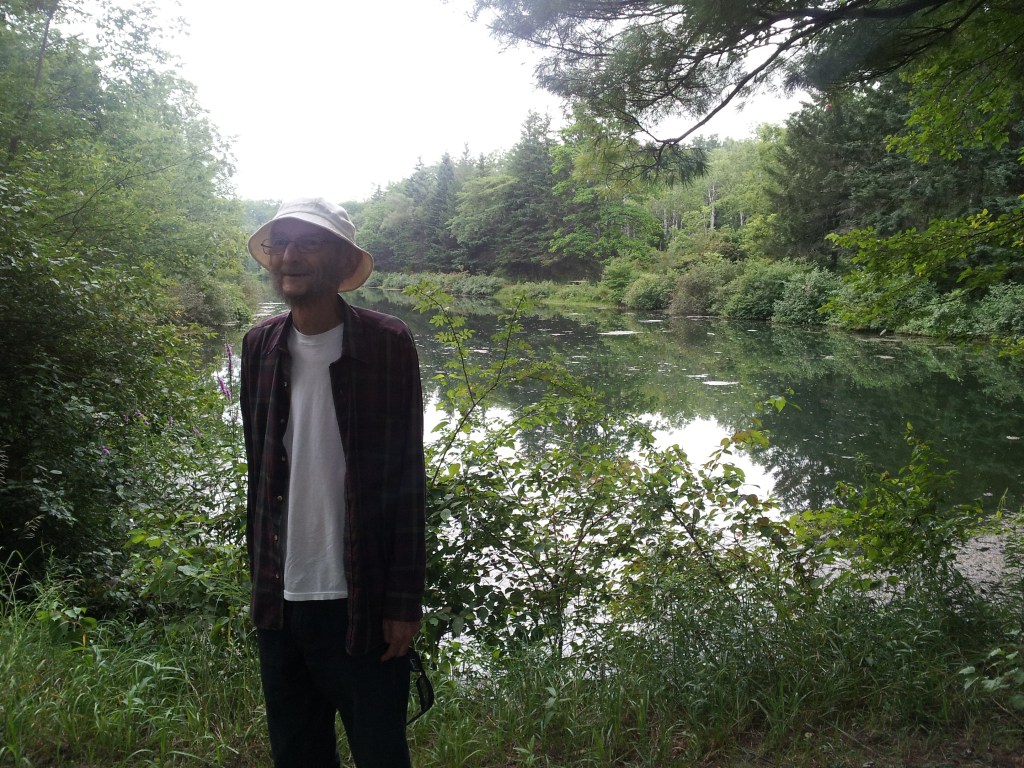
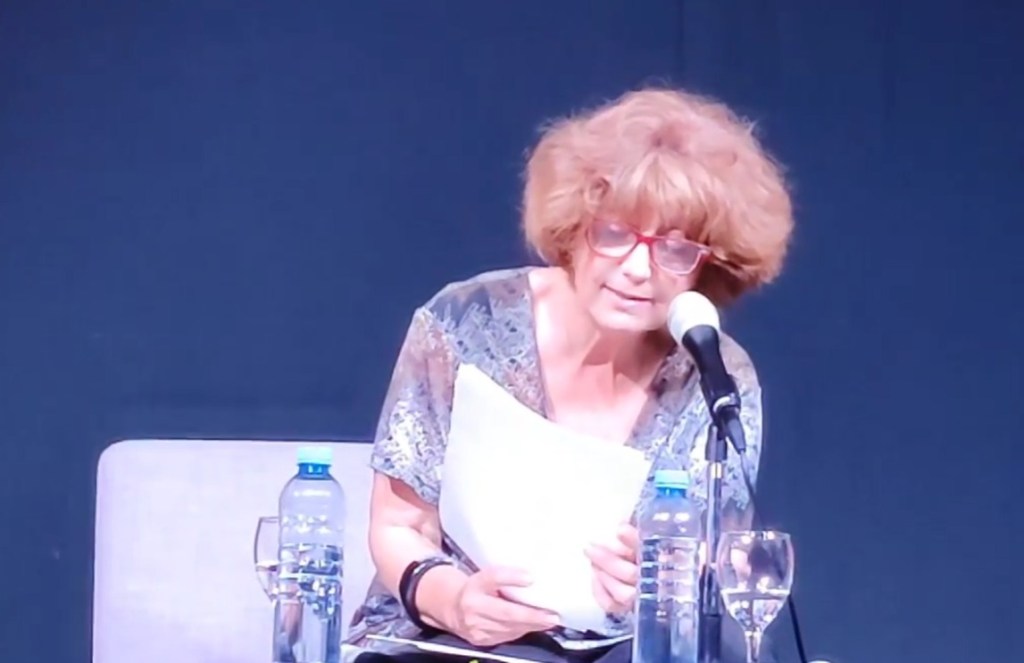
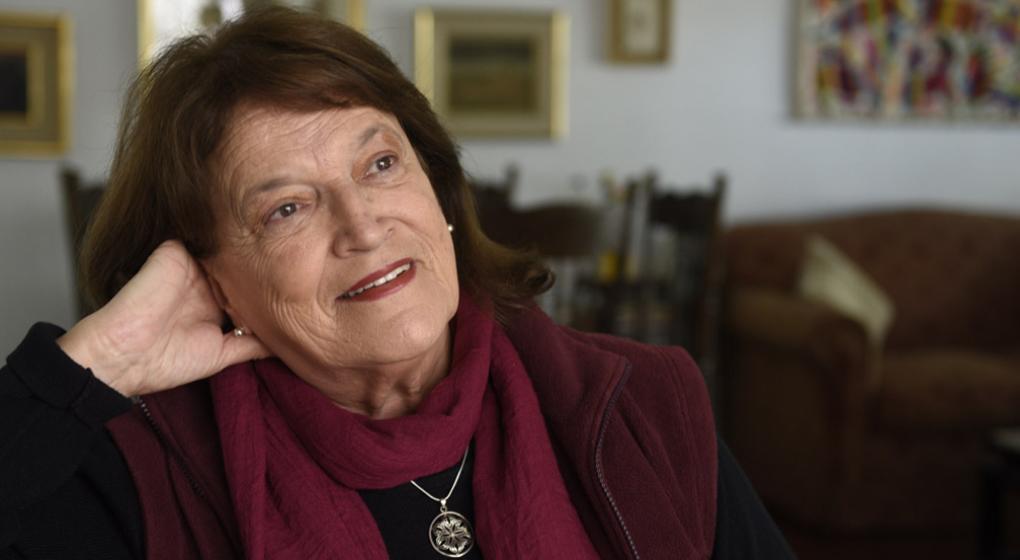
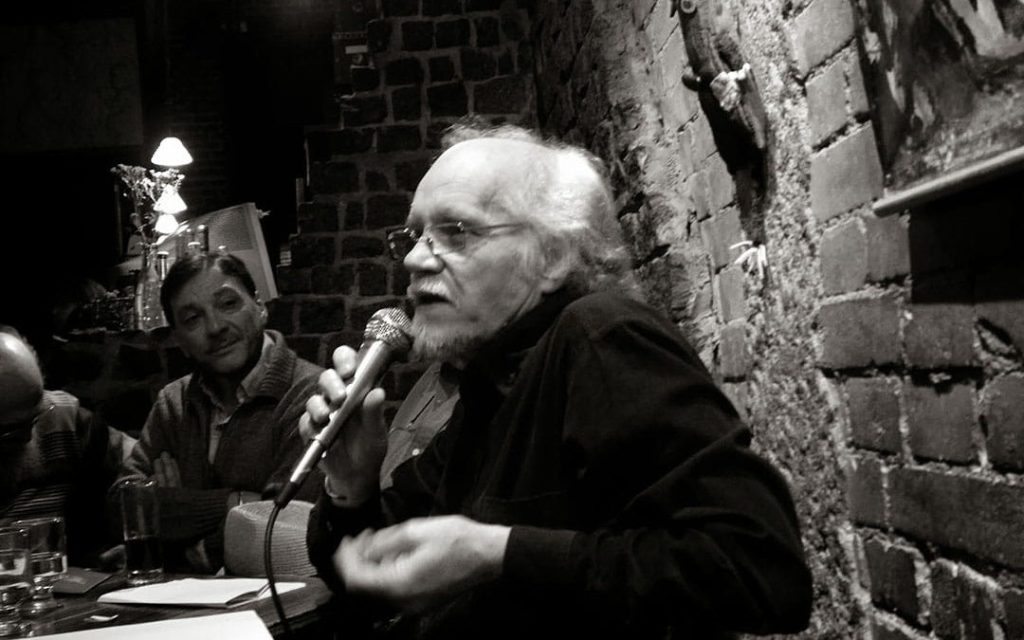
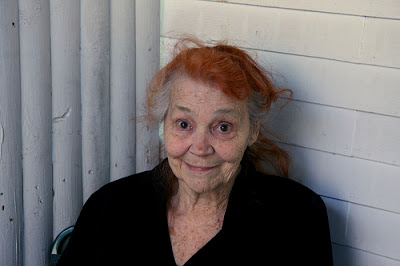
Créditos de las fotografías:
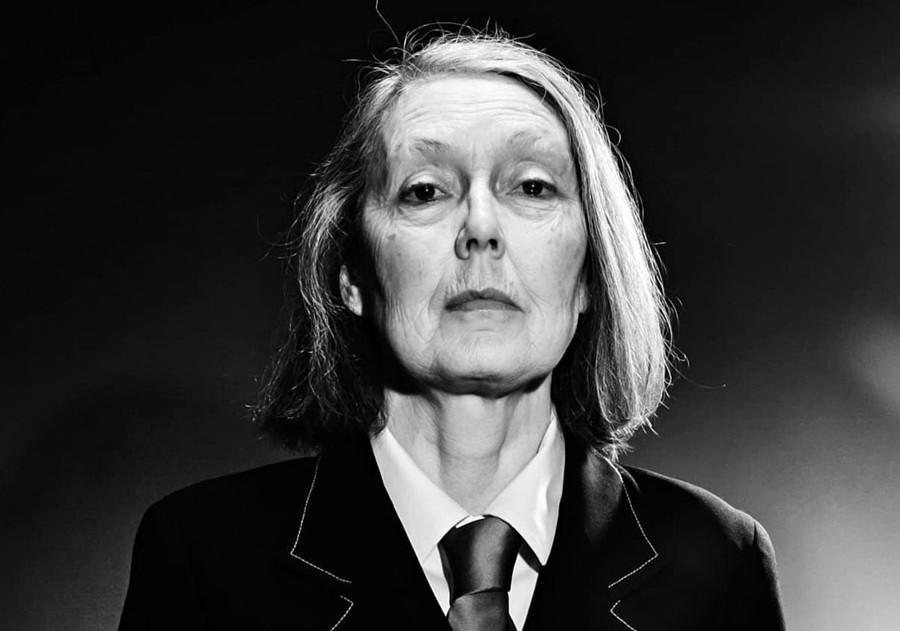
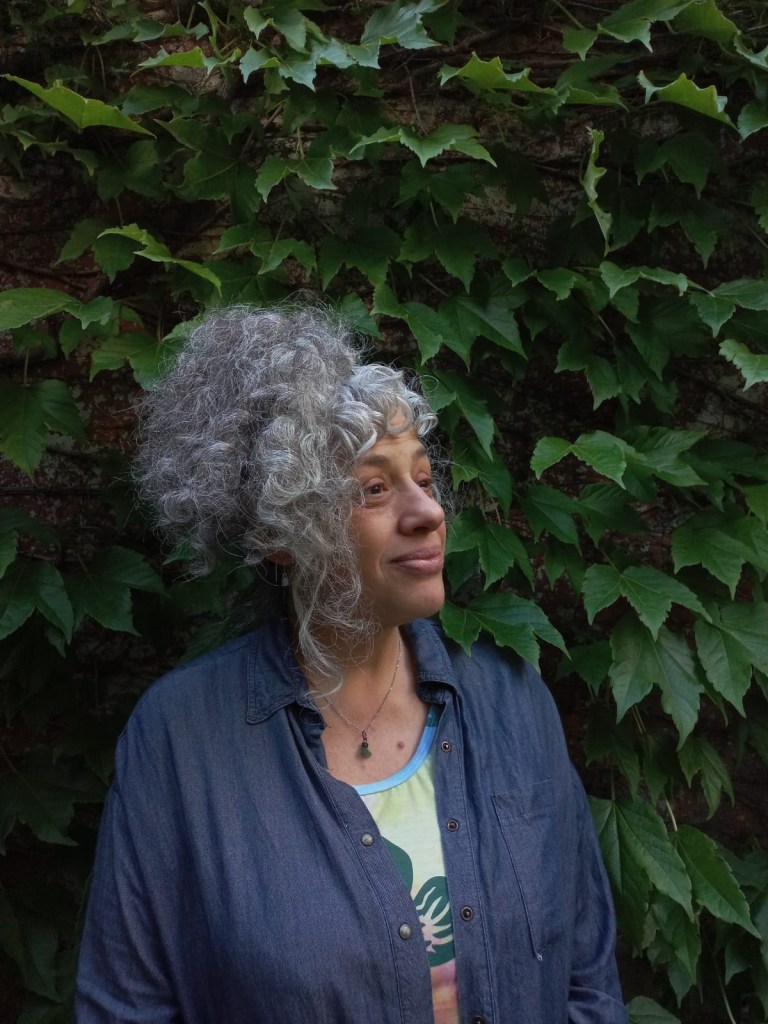
En portada: Dodge Poetry Festival 2012 fhoto by Michelle Aldredge
Foto biografía: Gregory-Orr-C-VILLE Weekly
Poema THE DISTANCE: Best Poems
Poema GATHERING THE BONES TOGETHER y THE SNAIL : Palm Beach Poetry Festival





















 La Náusea
Deja un comentario