

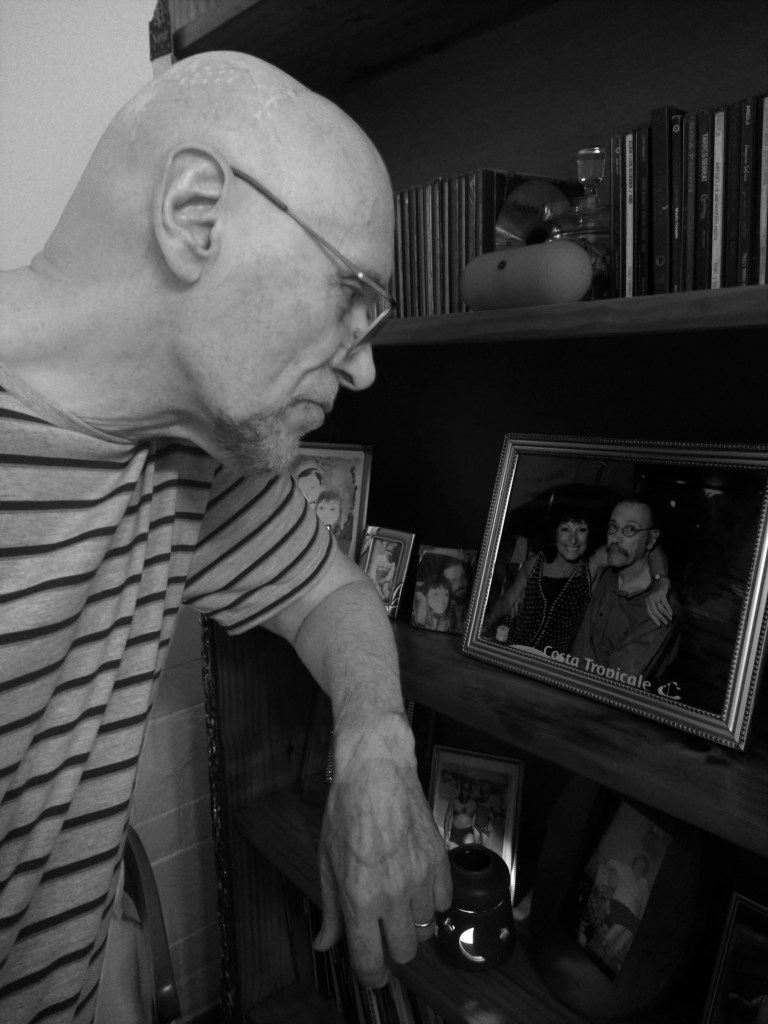
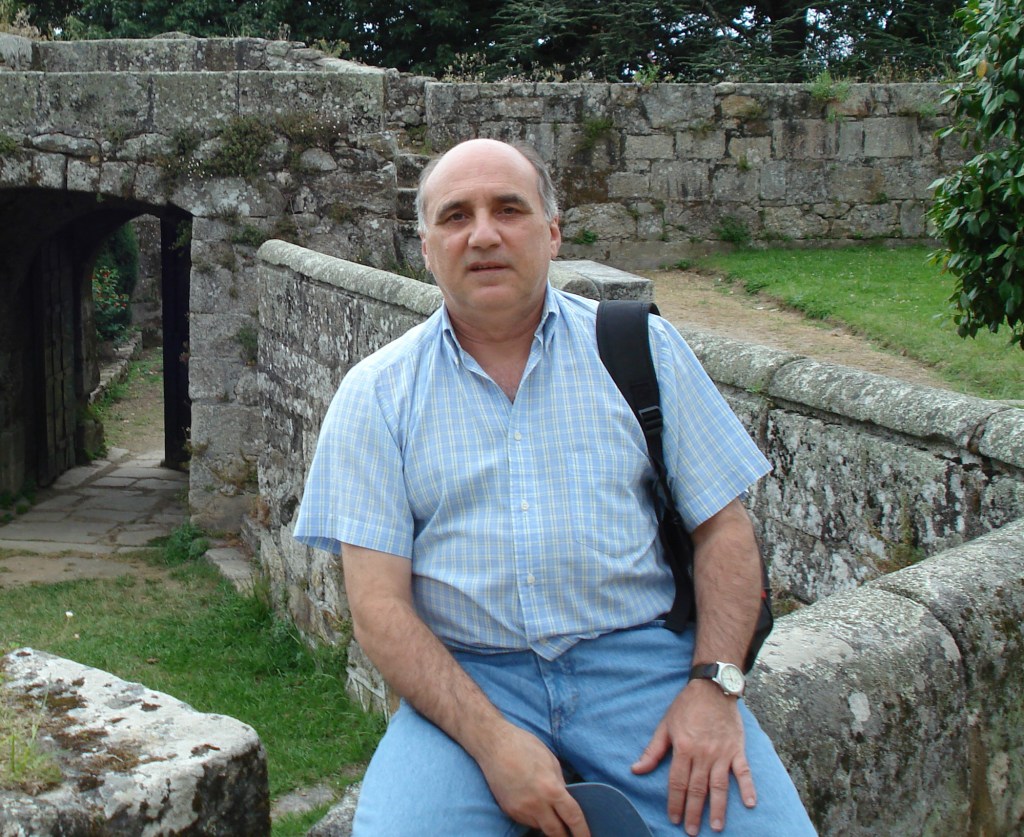
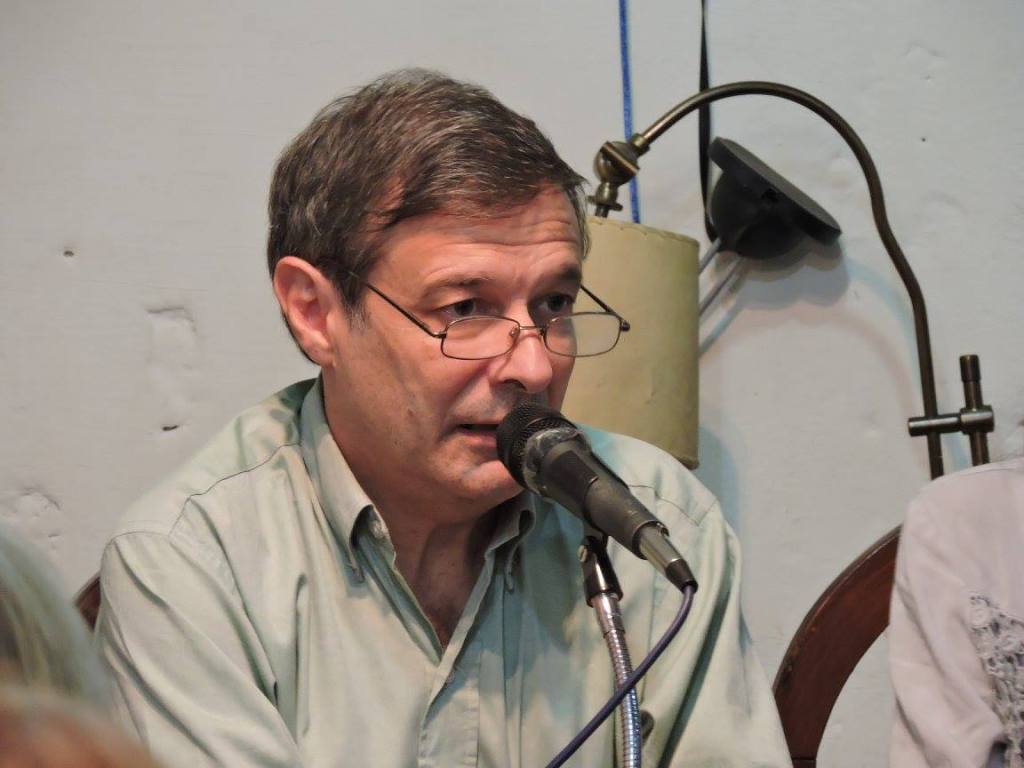
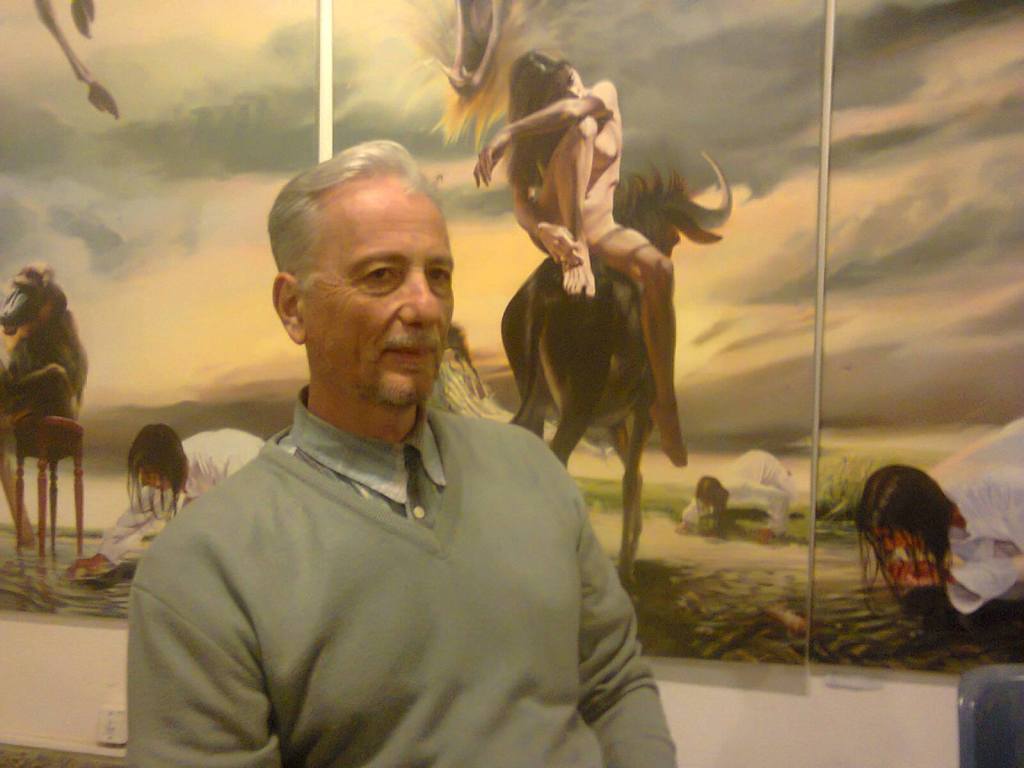
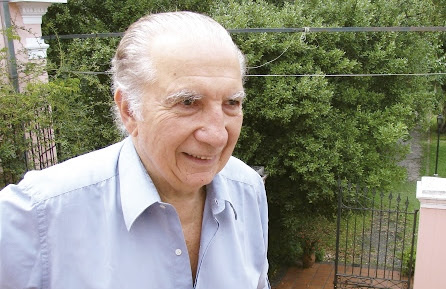
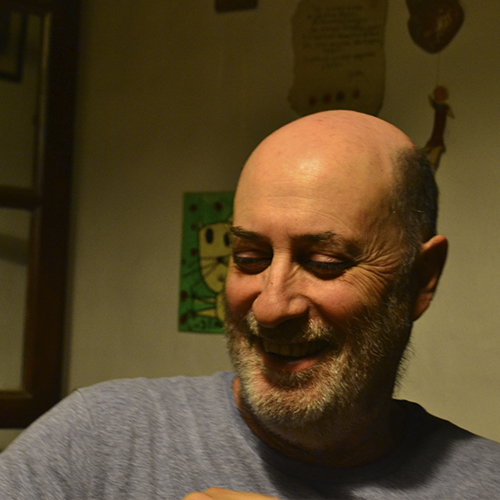
Jonio González nació en Buenos Aires en 1954 y vive en Barcelona desde 1983. En 1981 fundó, con Javier Cófreces, la revista de poesía La Danza del Ratón.
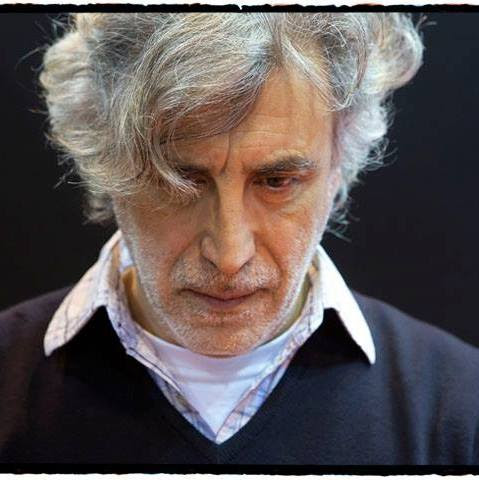
Es autor, entre otros títulos, de los poemarios El oro de la república (1982); Muro de máscaras (1987); Cecil (1991); Últimos poemas de Eunice Cohen (1999); El puente (2001, 2003); Ganar el desierto (2009); La invención de los venenos (2015), Historia del visitante (2019) y Esbozos y representaciones (2022). Ha sido incluido en diversas antologías, entre ellas Una antología de la poesía argentina (Santiago de Chile, 2008); Doscientos años de poesía argentina (Buenos Aires, 2010); Antología de poesía argentina de hoy (Barcelona, 2010); Poésie récente d’Argentine: une anthologie possible (París, 2013) y La doble sombra: poesía argentina contemporánea (Madrid, 2014). Como traductor de poesía, sus últimas publicaciones incluyen la antología en dos volúmenes Poetas norteamericanos en dos siglos (2020) y Esperando mi vida, de Linda Pastan (conjuntamente con Rosa Lentini, 2021). ha colaborado traduciendo a varios poetas en In nomine Auschwitz.Antología de la poesía del Holocausto , de Carlos Morales del Coso (2022).
Otros artículos de Jonio González




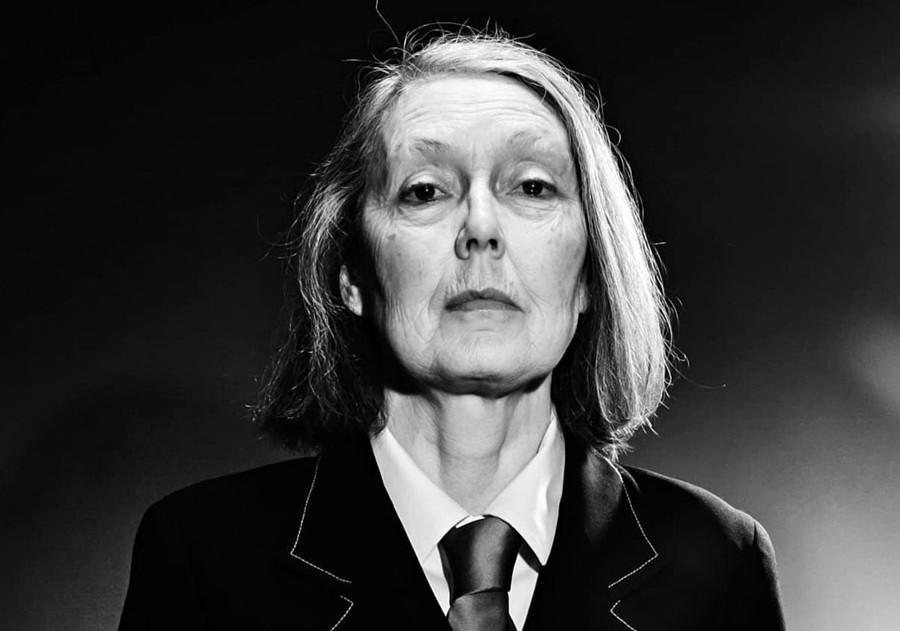

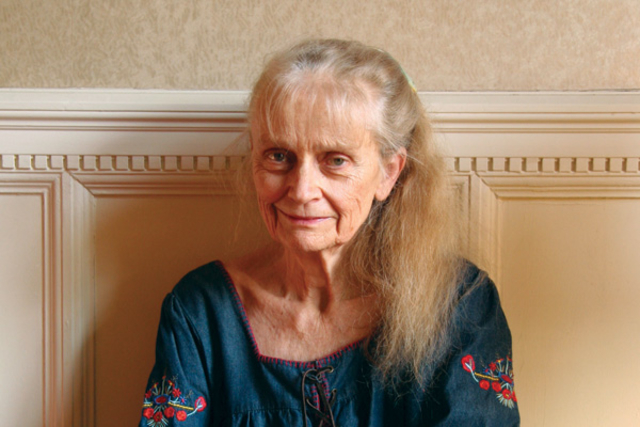
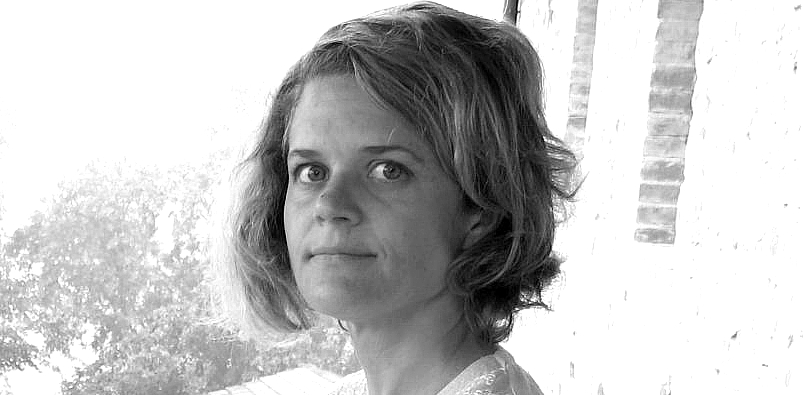

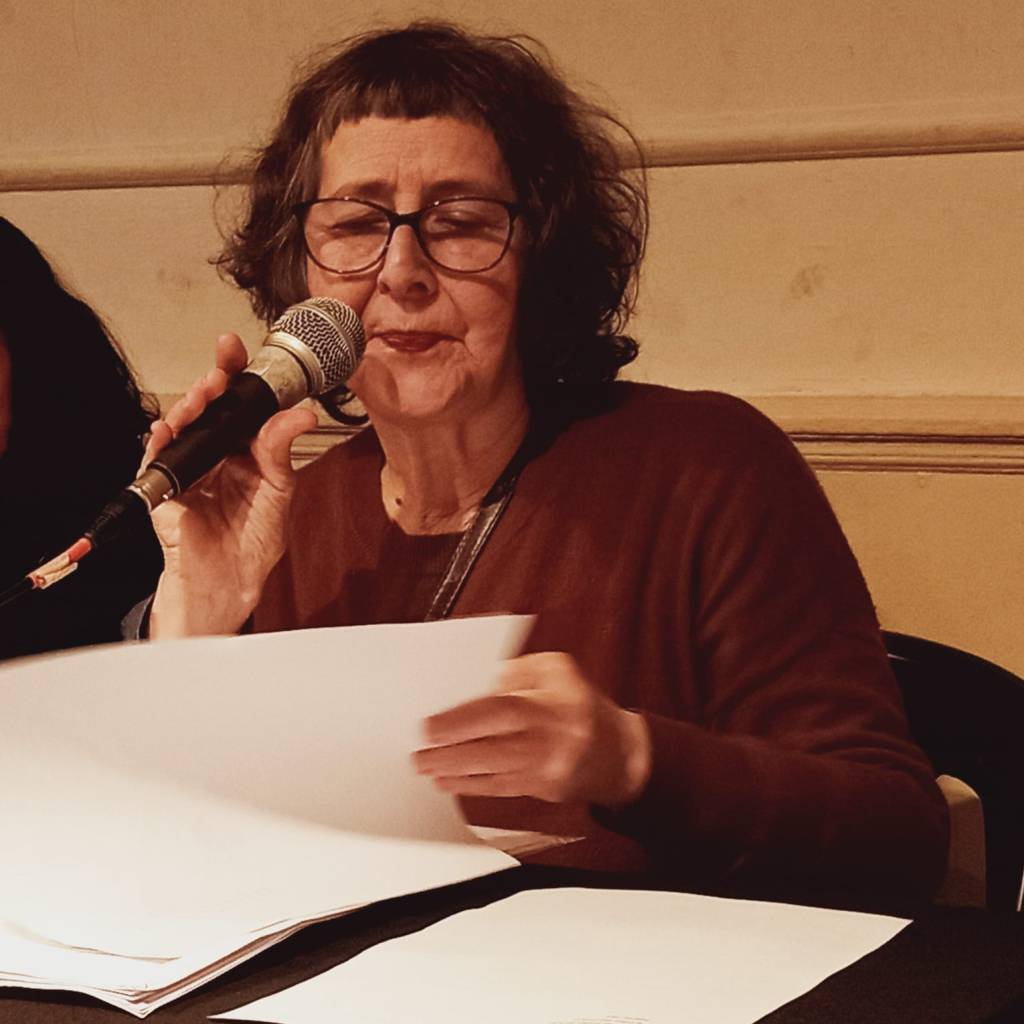
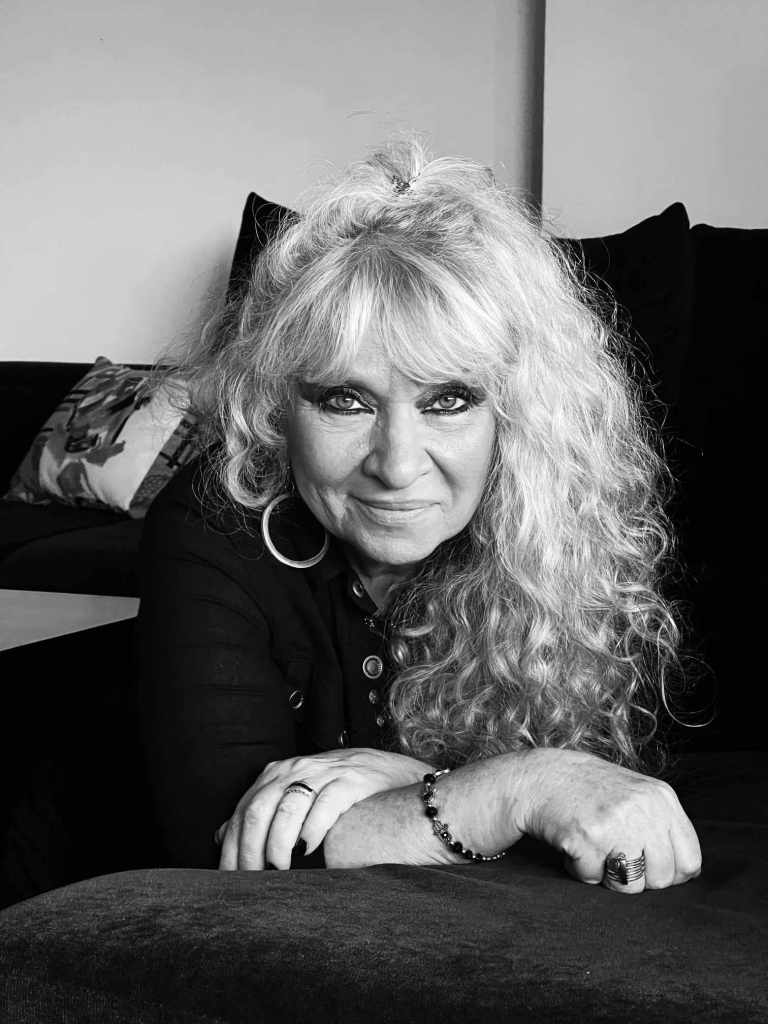
NATALEE CAPLE

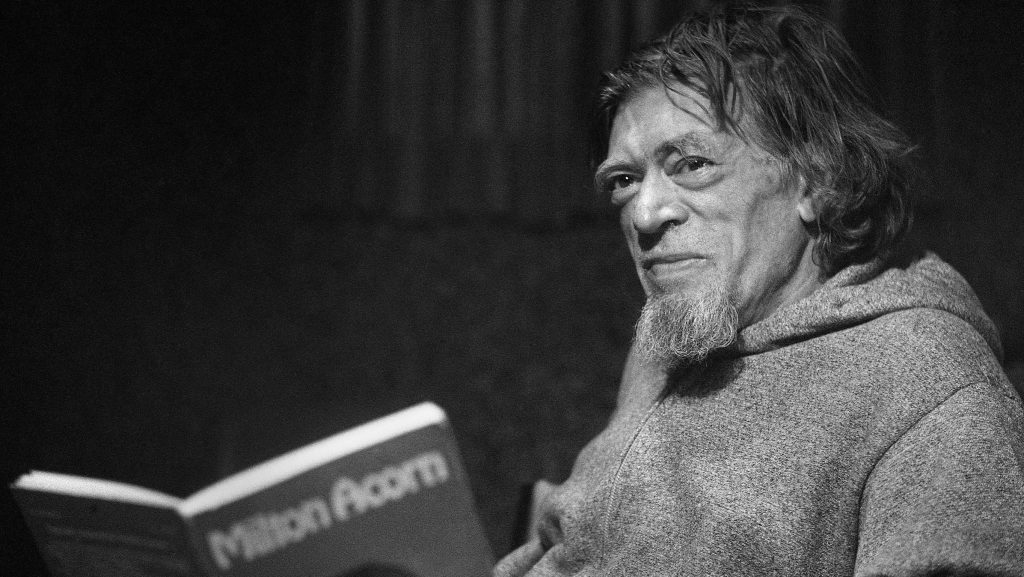
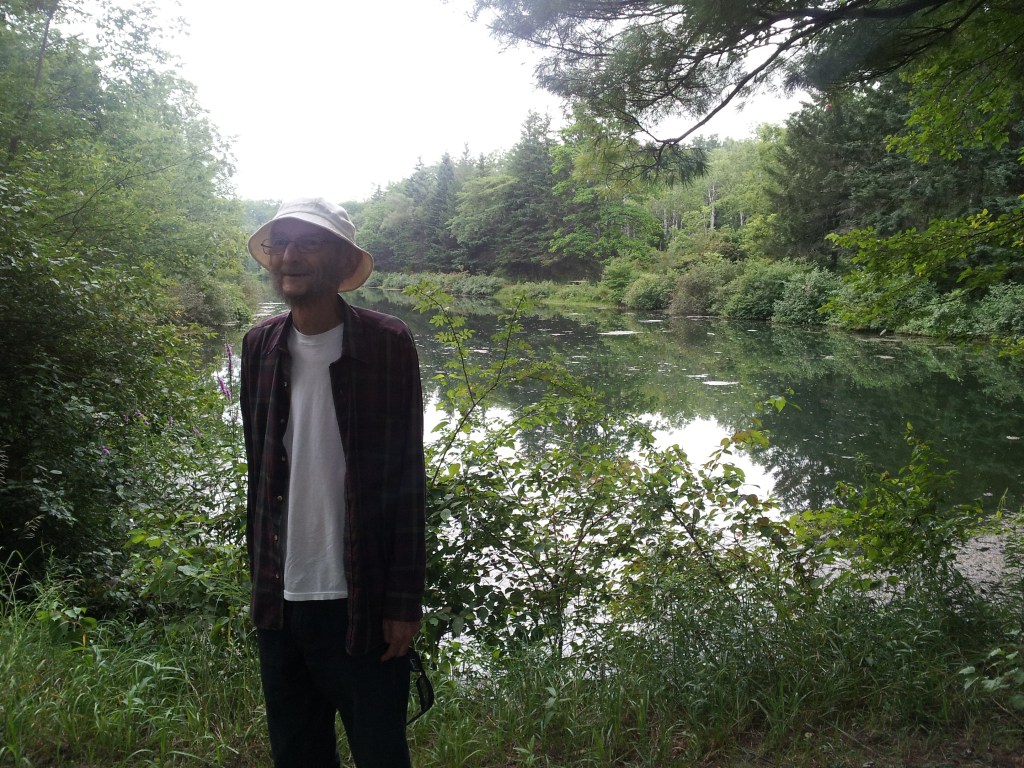
NATALEE CAPLE nació en Montreal en 1970. Es autora de libros de ficción, no ficción y poesía. Estuvo nominada para varios importantes premios literarios de su país, entre ellos el KM Hunter y el Bronwen Wallace. Entre sus novelas, destacan los relatos de The Heart is its Own Reason (1998) y las novelas The Plight of Happy People in an Ordinary World (1999), Mackerel Sky (2004) y In Calamity’s Wake (2013).
Sus poemarios incluyen The Price of Acorn (1996), A More Tender Ocean (2000, cadidato al Gerald Lampert Memorial), The emiconducting Dictionary: Our Strindberg (2010) y Love in the Chthulucene (2019). (1977); In the Smoky Light of the Fields (1980) ; The Whole Night, Coming Home (1984) ; Night Walk (1994); Water Memory (1996); Introduction to the Introduction to Wang Wei (2000); Rain; road; an open boat (2012); Cardinal in the Eastern White Cedar (2017), etc.
COMO UN PÁJARO...

Como un pájaro redondo y amarillo que pelea por su diminuta, diminuta vida
                Como un teléfono que sue
                                                          na y suena en una habitación vacía

        Girando sin nada a lo que agarrarse

Que        todo parece lo mismo pero ha sido reemplazado por
algo sin sentido

                                 un niño pequeño asfixiándose
                               la papelera que empieza a arder
                               una vena silenciosa a punto de reventar en tu cabeza

Se acaba sólo con decirlo—no necesitas oírlo para decirlo.

El fin del mundo va acumulándose.
Like a round, yellow bird dangling fighting for her tiny, tiny life
                Like a telephone ring
                                                   ing and ringing in an empty room

        Spinning with nothing to grip

That        everything looks the same but has been replaced by
something meaningless

                                 a small child choking
                                 a fire starting in the wastepaper basket
                                 a vein silently bulging in your head

it's over just say it—you don't need to hear it to say it.

The end of the world is accumulating.
LA GENTE ES VALIENTE

La gente es valiente
entrego mi corazón

Te digo que
la gente es valiente

dondequiera que haya sangre
y sombra
surgen sueños únicos
de la mente serena de los niños

y el impulso del amor
como una luz que atraviesa tu corazón
como un rostro hundido contra tu cuello
y un peso entre tus muslos

una visión de belladona

el reflejo de una vela desnuda en tus pupilas

La gente es valiente
PEOPLE ARE BRAVE

People are brave
I give up my heart

I say to you that
people are brave

wherever there is blood
and shadow
unique dreams rise out
of the quiet heads of infants

and the thrust of love
like a light through your heart
like a face buried against your neck
and a weight between your thighs

a vision of nightshade

a naked candle reflected in your pupils

People are brave

CONOCIMIENTO FILIAL

Como si al llegar a comprender algo creyeses que ese algo
está infectado con tu conocimiento de él y su utilidad para
ti empieza a parecer estructural, así que, inevitablemente, empiezas
a suponer que aquello que comprendes debió de ser creado
por ti y es, por lo tanto, de tu propiedad.
El cielo nocturno para los astrónomos y tu cuerpo para todos los médicos
del planeta.
La consecución a través de la comprensión y la destrucción
del significado por el deseo.
Y la desviación de la culpa no es más que una conversación
interminable entre dos espejos en una habitación iluminada por el sol.
FILIAL KNOWLEDGE

As if in coming to understand something you believe that thing
to be infected with your knowledge of it and its usefulness to
you begins to appear structural so that, inevitably, you begin to
assume that the thing you understand must have been created
by you and is, therefore, your property.
The night sky to astronomers and your body to every doctor
on the planet.
Purchase through comprehension and the destruction of
meaning by desire.
And the deflection of guilt nothing more than an endless
conversation between two mirrors in a sunlit room
ENTIENDES

Mi madre era una sirvienta, ¿entiendes?
Mi madre se volvió fría y se pudió por dentro.
Incapaz de decir "necesito un descanso"
Todo lo veía era espacio mientras deseaba que el espacio se estrechase
Nunca levantó la mirada
Un día Hemingway
Inclinará a una muchacha sobre una silla
Recuerda cuán dulces pueden ser los chicos
Acuéstate como una paloma aplastada
Dilo de nuevo mi madre era una sirvienta
Nunca fue a España
Bebía hasta quedar ciega
Sólo se bañaba en el poema
A medias humana en la cafetería de piedra.
DO YOU UNDERSTAND

My mother was a maidservant do you understand?
My mother went cold and rotten inside
Not able to say, "I need a rest"
All she saw was space wanting the space to tighten
She never lifted her eyes
One day Hemingway
Will bend a girl over a chair
Remember how sweet the boys can be
Lie down like some crushed pigeon
Say it again my mother was a maidservant
She never went to Spain
She drank she split the blue vein
Bathing only in the poem
Half-human in the stone café




















 La Náusea
Deja un comentario