
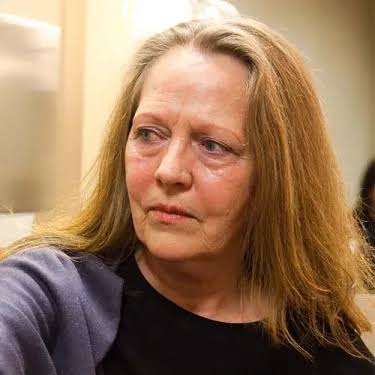
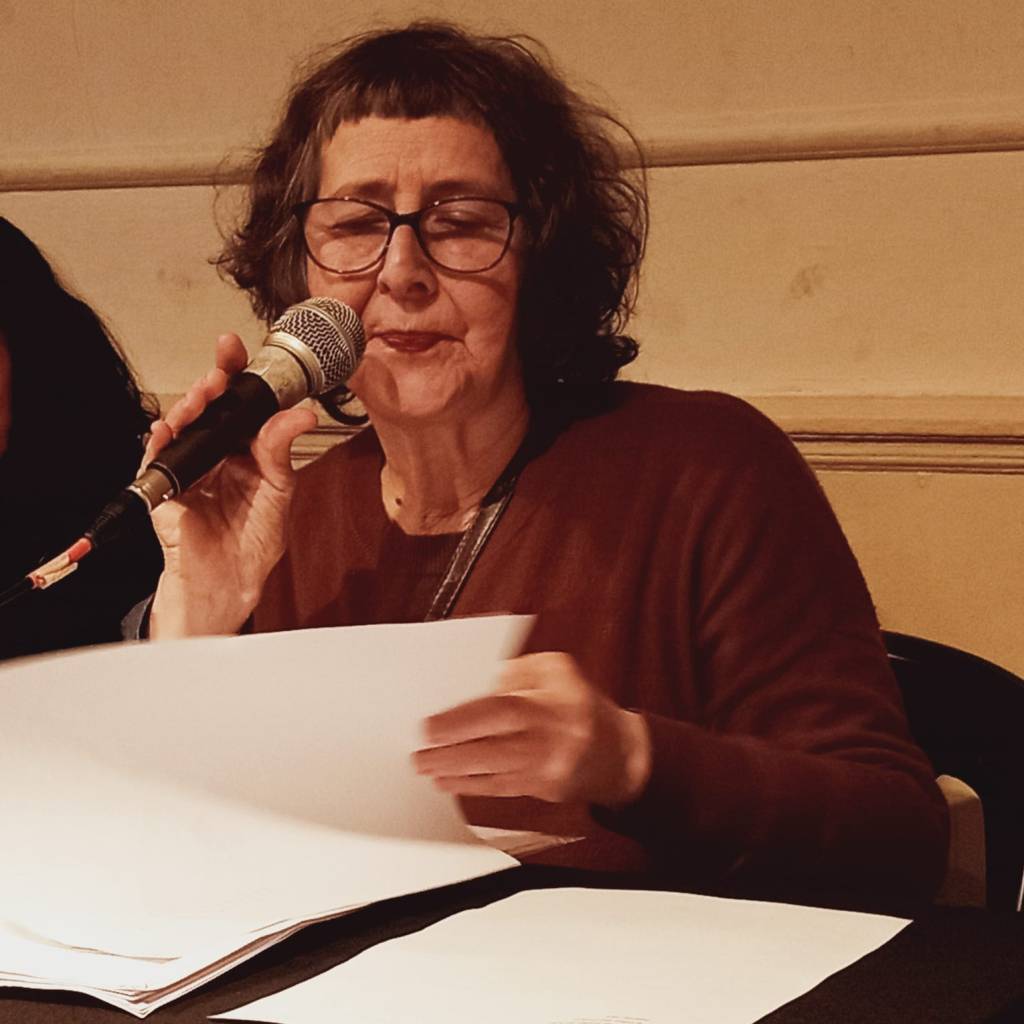
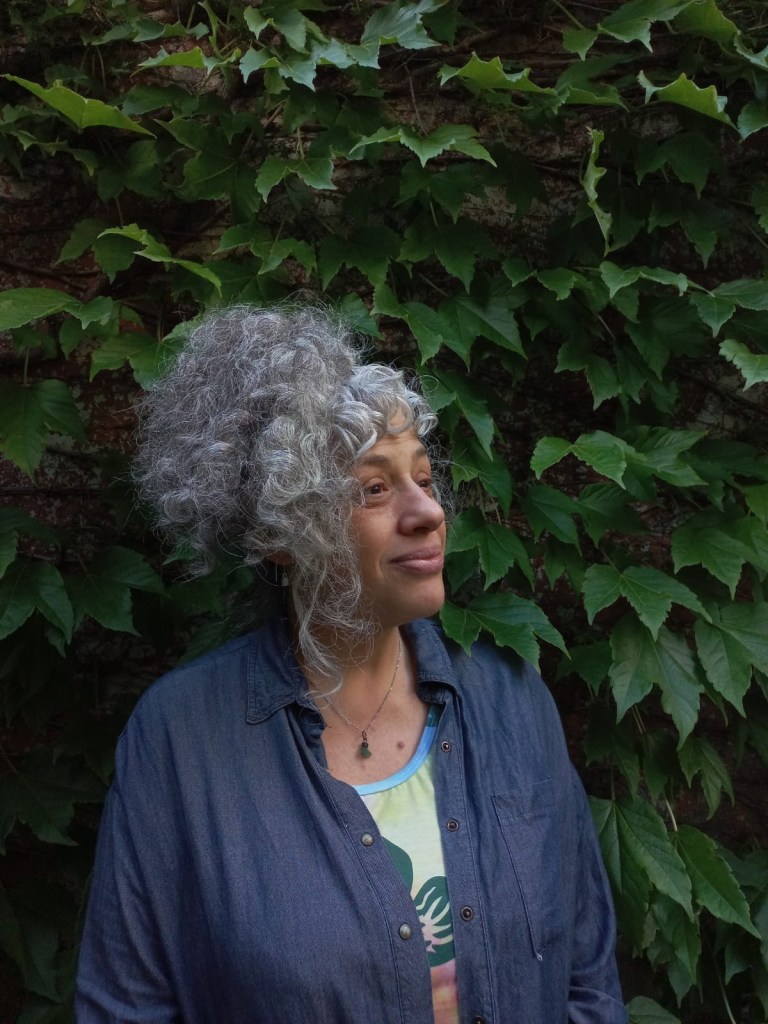
Jonio González nació en Buenos Aires en 1954 y vive en Barcelona desde 1983. En 1981 fundó, con Javier Cófreces, la revista de poesía La Danza del Ratón.
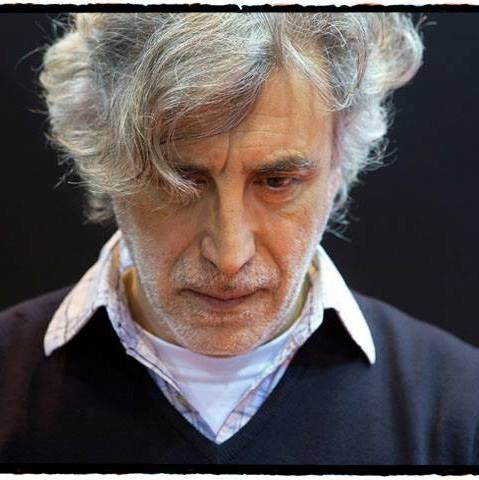
Es autor, entre otros títulos, de los poemarios El oro de la república (1982); Muro de máscaras (1987); Cecil (1991); Últimos poemas de Eunice Cohen (1999); El puente (2001, 2003); Ganar el desierto (2009); La invención de los venenos (2015), Historia del visitante (2019) y Esbozos y representaciones (2022). Ha sido incluido en diversas antologías, entre ellas Una antología de la poesía argentina (Santiago de Chile, 2008); Doscientos años de poesía argentina (Buenos Aires, 2010); Antología de poesía argentina de hoy (Barcelona, 2010); Poésie récente d’Argentine: une anthologie possible (París, 2013) y La doble sombra: poesía argentina contemporánea (Madrid, 2014). Como traductor de poesía, sus últimas publicaciones incluyen la antología en dos volúmenes Poetas norteamericanos en dos siglos (2020) y Esperando mi vida, de Linda Pastan (conjuntamente con Rosa Lentini, 2021). ha colaborado traduciendo a varios poetas en In nomine Auschwitz.Antología de la poesía del Holocausto , de Carlos Morales del Coso (2022).
Otros artículos de Jonio González
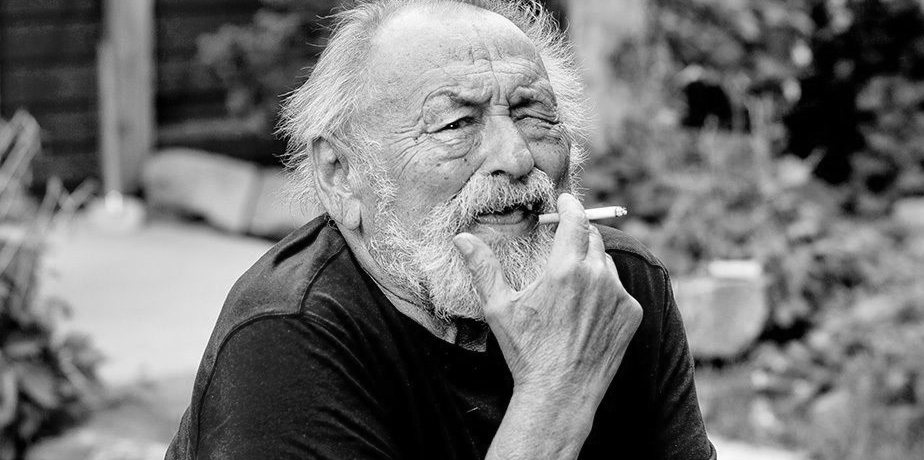
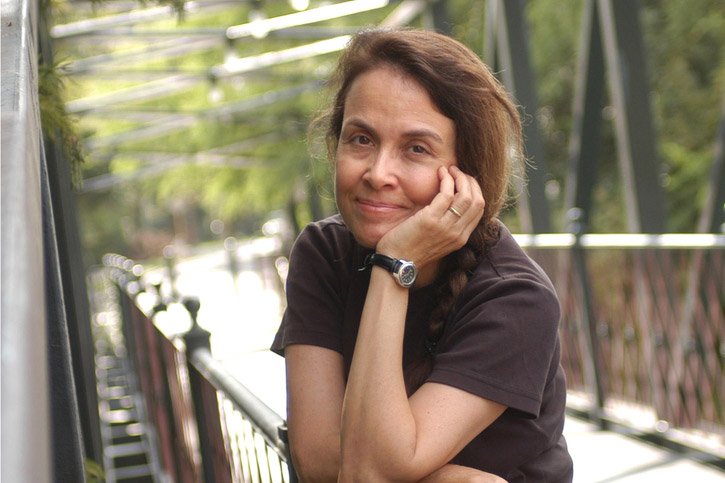







LINDA GREGG
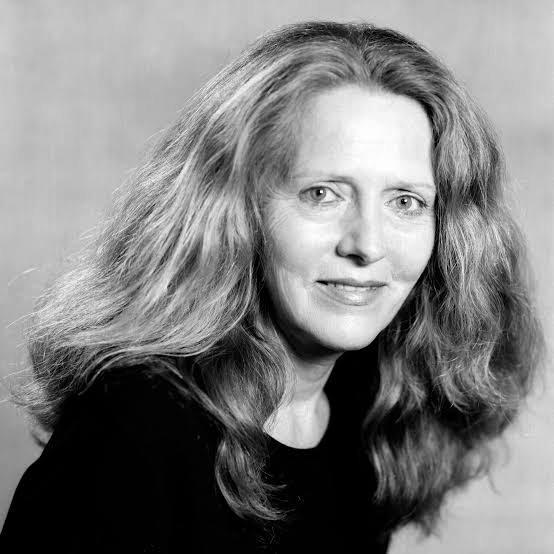
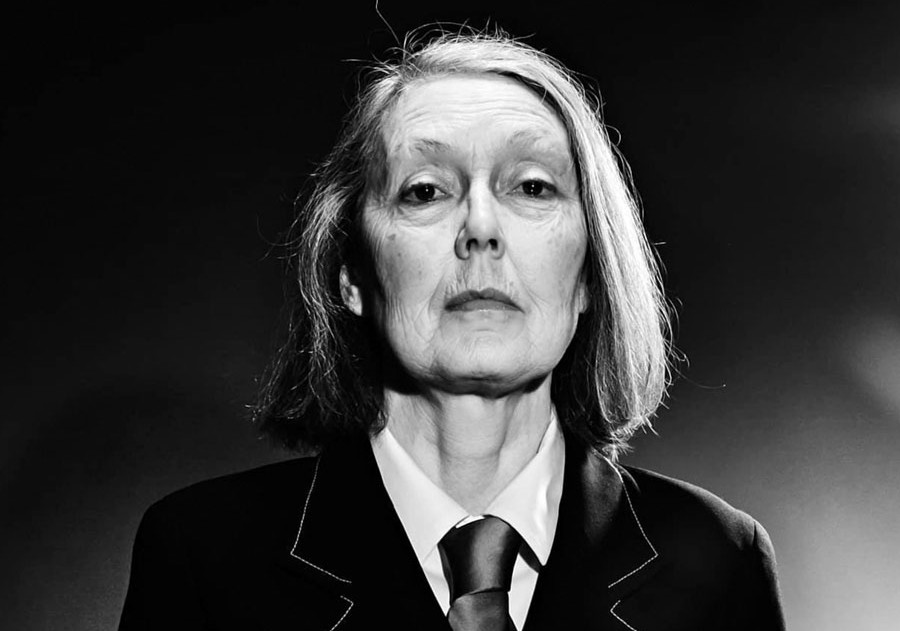
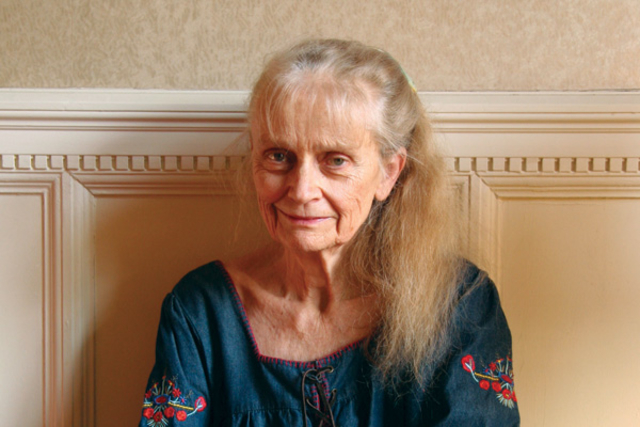
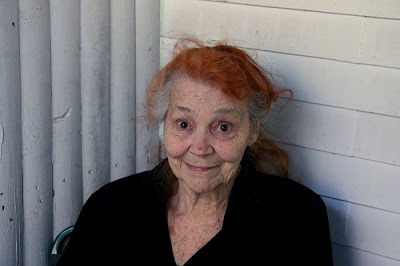
LINDA GREGG nació en Suffern, Nueva York, en 1942. Se graduó en la Universidad de San Francisco y enseñó en las de Iowa, Califorina, Berkeley, Louisiana y Princeton, entre otras. Su obra poética incluye
Too Bright to See (1981); Alma (1985); Sacraments of Desire (1992);
Chosen by the Lion (1995); Things and Flesh (1999), finalista del Kingsley Tufts Award for Poetry; In the Middle Distance (2006);
All of It Singing: New and Selected Poems (2008), ganador del premio William Carlos Williams de la Poetry Society of America. Obtuvo asimismo los premios Writing Writers, Sara Teasdale y Jerome J. Shestack, entre otros. «La poesía de Linda Gregg», ha escrito W. S. Merwin, «habla claramente de aquello que la inspira, sin renunciar por ello a lo inesperado y lo emotivo». Falleció en Nueva York en 2019.
EL ESPÍRITU NI ORDENA NI SEPARA

Hay una flor. La llamamos Dios.
Se cierra y se abre y muere.
Seguimos llamándola Dios. Hay una piedra
que no hace nada y aun así es Dios.
Todo es del Cielo. Hay barro
en torno al borde del estanque.
Hay juncos, nenúfares
y unas pocas libélulas. El estanque es luminoso
y oscuro y cálido a causa del sol.
Pez oculto. El propio aire.
Fuera, en el monte hay tres o cuatro
especies de pájaros. Pájaros de invierno
en lugar de hojas. Suficiente nieve sobre el suelo.
Los pájaros que saltan y se alimentan
y parten son flores,
una boca que canta, tu corazón tal como era.
THE SPIRIT NEITHER SORTS NOR SEPARATES
There is a flower. We call it God.
It closes and opens and dies.
We still call it God. There is a stone
that does nothing and is still God.
Everything is of Heaven. There is mud
around the edge of the pond.
There are reeds, water lilies
and a few dragonflies. The pond is light
and dark and warm because of the sun.
Hidden fish. The air itself.
The bush outside is full of three and four
kinds of birds. Winter birds instead
of leaves. The snow over ground is enough.
The birds hopping and feeding
and departing are flowers,
a mout singing, your heart the way it was.
A LAS PUERTAS DE LA MITAD DE MI VIDA

Vine preparada para responder preguntas,
porque dijo que habría preguntas.
Yo podría haber bailado o cantado. Podría haber amado.
Pero quería inteligencia. Ahora pregunta
qué puede entenderse pero no explicarse
y no llevo nada conmigo. Me quito
los zapatos y digo esto es un plato de comida.
Digo el viento sopla en la dirección equivocada.
Digo aquí está mi rostro emergiendo en la claridad de la luz
que perdió el mar del que partimos para reunirnos contigo.
Me quito la chaqueta y digo es una cabra a la que han dejado sola.
Me abraza, vertiendo lágrimas humanas. Da tres vueltas
bailando con tristeza. Y luego tres vueltas más.
AT THE GATE IN THE MIDDLE OF MY LIFE

I had come prepared to answer questions,
because it said there would be questions.
I could have danced or sung. Could have loved.
But I wanted intelligence. Now it asks
what can be understood but not explained
and I have nothing with me. I take off
my shoes and say this is a plate of food.
I say the wind is going the wrong way.
Say here is my face emerging into clear light
that misses the sea we departed from to join you.
Take off my jacket and say this is a goat alone.
It embraces me, weeping human tears. Dances
sadly three times around. Then three times more.
MÚSICA NOCTURNA

Ella se sienta en la montaña que es su hogar
y los paisajes se deslizan. Uno desciende
y luego sube hasta el monasterio. Otro se aleja
hacia una aventadora y una granja en la que una niña
y su madre están tendiendo la ropa lavada.
A lo lejos hay un pequeño puerto donde
la tierra alcanza el agua. Ella está insensibilizada
y es consciente de la aflicción que reina en ese mundo.
Piensa en los bandidos y soldados que
regresan a los lugares que han destruido.
Que plantan árboles y levantan paredes y tocan música
en la plaza del pueblo todas las tardes
convencidos de que las madres de los chicos a los que han matado
y las mujeres a las que han violado finalmente saldrán
vestidas de negro de las blancas casas
para sentarse con sus hijos y los viejos.
Escucharán la música con mirada impenetrable.
NIGHT MUSIC

She sits on the mountain that is her home
and the landscapes slide away. One goes down
and then up to the monastery. One drops away
to a winnowing ring and a farmhouse where a girl
and her mother are hanging the laundry.
There’s a tiny port in the distance where
the shore reaches the water. She is numb
and clear because of the grieving in that world.
She thinks of the bandits and soldiers who
return to the places they have destroyed.
Who plant trees and build walls and play music
in the village square evening after evening,
believing the mothers of the boys they killed
and the women they raped will eventually come
out of the white houses in their black dresses
to sit with their children and the old.
Will listen to the music with unreadable eyes.
EL CORDERO

Era una foto que tuve después de la guerra.
Una iglesia inglesa bombardeada. Yo era demasiado joven
para conocer la palabra "inglesa" o "guerra",
pero conocía la foto.
La ciudad en ruinas aún parecía aristocrática.
La catedral no era menos santa
porque le hubieran volado el techo. Los pájaros entraban y salían
de los agujeros que el puño de Dios había hecho en las paredes.
Todo nuestro deseo de amor o niños
es considerado una broma por el enemigo.
Yo sabía tanto, y de todos modos cantaba.
Como un pájaro que cantará hasta
que lo derriben. Cuando quitan
los árboles, el niño recoge una rama
y dice, esto es un árbol, esto es la casa
y la familia. Como querríamos nosotros. A través de una puerta
de lo que ha sido una casa, en un terreno
cubierto de escombros, camina un cordero solitario, con la cabeza
inclinada, husmeando, sin miedo, hambriento.
THE LAMB
It was a picture I had after the war.
A bombed English church. I was too young
to know the word «English» or «war»,
but I knew the picture.
The ruined city still seemed noble.
The cathedral with its roof blown off
was not less godly. The church was the same
plus rain and sky. Birds flew in and out
of the holes God’s fist made in the walls.
All our desire for love or children
is treated like rags by the enemy.
I knew so much and sang anyway.
Like a bird who will sing until
it is brought down. When they take
away the trees, the child picks up a stick
and says, this is a tree, this the house
and the family. As we might. Through a door
of what had been a house, into the field
of rubble, walks a single lamb, tilting
its head, curious, unafraid, hungry.
PROBLEMAS EN EL MATRIMONIO PORTÁTIL
("¿Qué blancura añadirás a esta blancura, qué candor?")

Vamos por el camino de tierra hacia el pueblo durante la noche clara.
El cielo es color damasco detrás de las negras cañas. Rosa arriba
y tenue carmesí en las colinas turcas al otro lado del agua.
El Egeo reluce junto a la orilla y es oscuro mar adentro.
Ahora no puedo distinguir qué es luz y qué es color.
Avanzo con mi biclicleta por el camino como si flotase en el aire:
la luna crece y disminuye moviéndose todo el tiempo
cerca de mi cabeza. Me detengo al llegar al puente.
Me apeo y me siento en la baranda porque de pronto recuerdo
que no tengo dinero. Llegas al rato.
Tu mano me toca y después se aparta.
Hablamos acerca de por qué la luna cambia de tamaño, y me pregunto
cómo hubiera olido. A humo de marihuana,
a laurel ardiendo. Vamos hacia el pueblo juntos,
yo en bicleta y tú andando. Sintiendo la seda y la palidez
del aire. No nos cruzamos con nadie a lo largo de todo del camino.
TROUBLE IN THE PORTABLE MARRIAGE
("What whiteness will you add to this whiteness, what candor?")

We walk the dirt road toward town through the clear evening.
The sky is apricot behind the black cane. Pink above,
and dull raspberry on the Turkish hills across the water.
The Aegean is light by the shore, then dark farther out.
I cannot distinguish now which is light and which is color.
I go up the road on my bicycle, floating in the air:
the moon enlarging and decreasing, moving all the time
close to my head. I stop at the bridge.
Get off and sit on the rail because I remember
I have no money. After a while you come.
Your hand touches me and then withdraws.
We talk about why the moon changes size, and I think
how I'd smelled it. Like sweet leaf smoke,
like sweet wood burning. We go toward town together,
me riding and you walking. Feeling the silk and paleness
of the air. No one passes us the whole length of the road.





















Deja una respuesta